
Are Celebrities and Brand Partnerships Worth It?
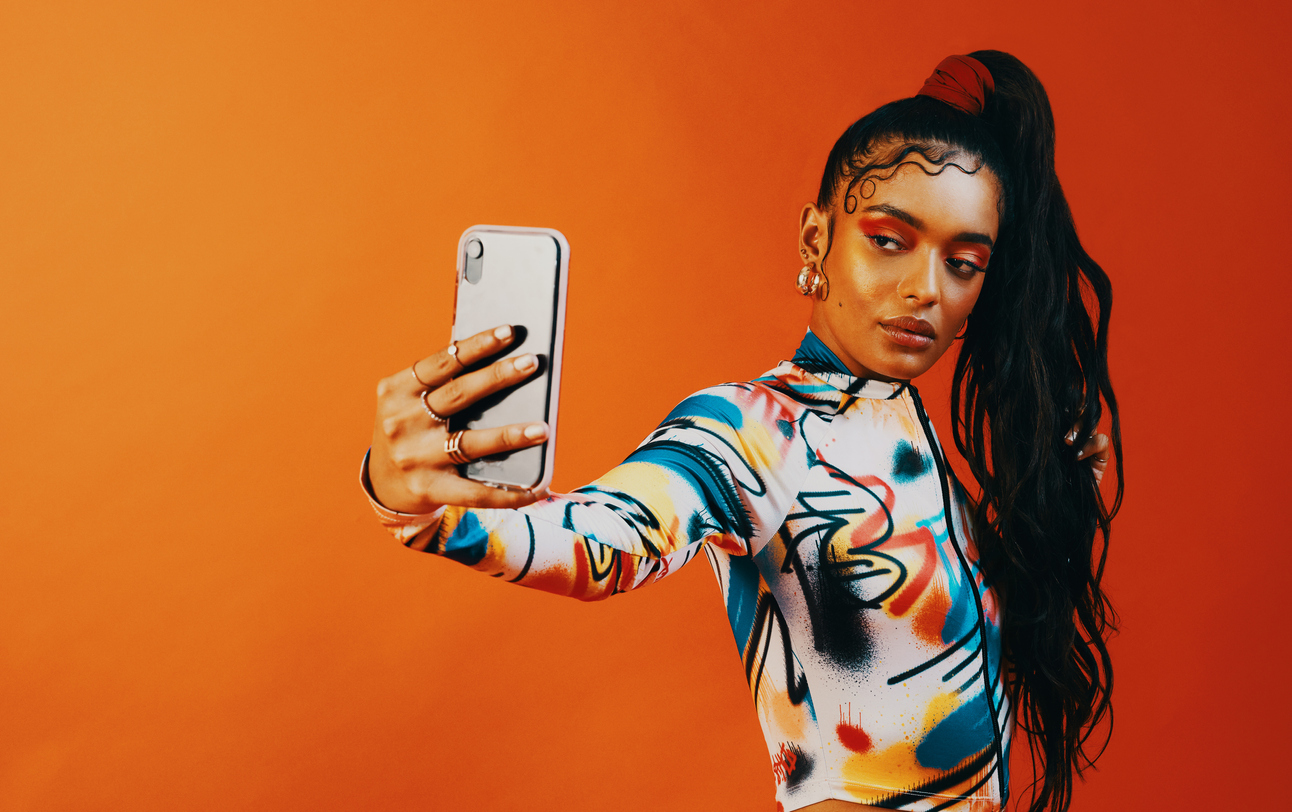
For many years, brands and celebrity have partnered to deliver powerful results that might not have happened without the influence and star power of a celebrity. There are numerous examples of successful relationships proving their value year after year. Puma’s creative partnership with Rihanna has netted Puma double-digit sales each quarter. A$AP Rocky has boosted Mercedes-Benz’s street cred and helped the car maker expand into apparel and accessories. Quick service restaurants such as Dunkin’ and McDonald’s have boosted sales and created social media buzz through partnerships with celebs such as Charli D’Amelio, Saweetie, and BTS.
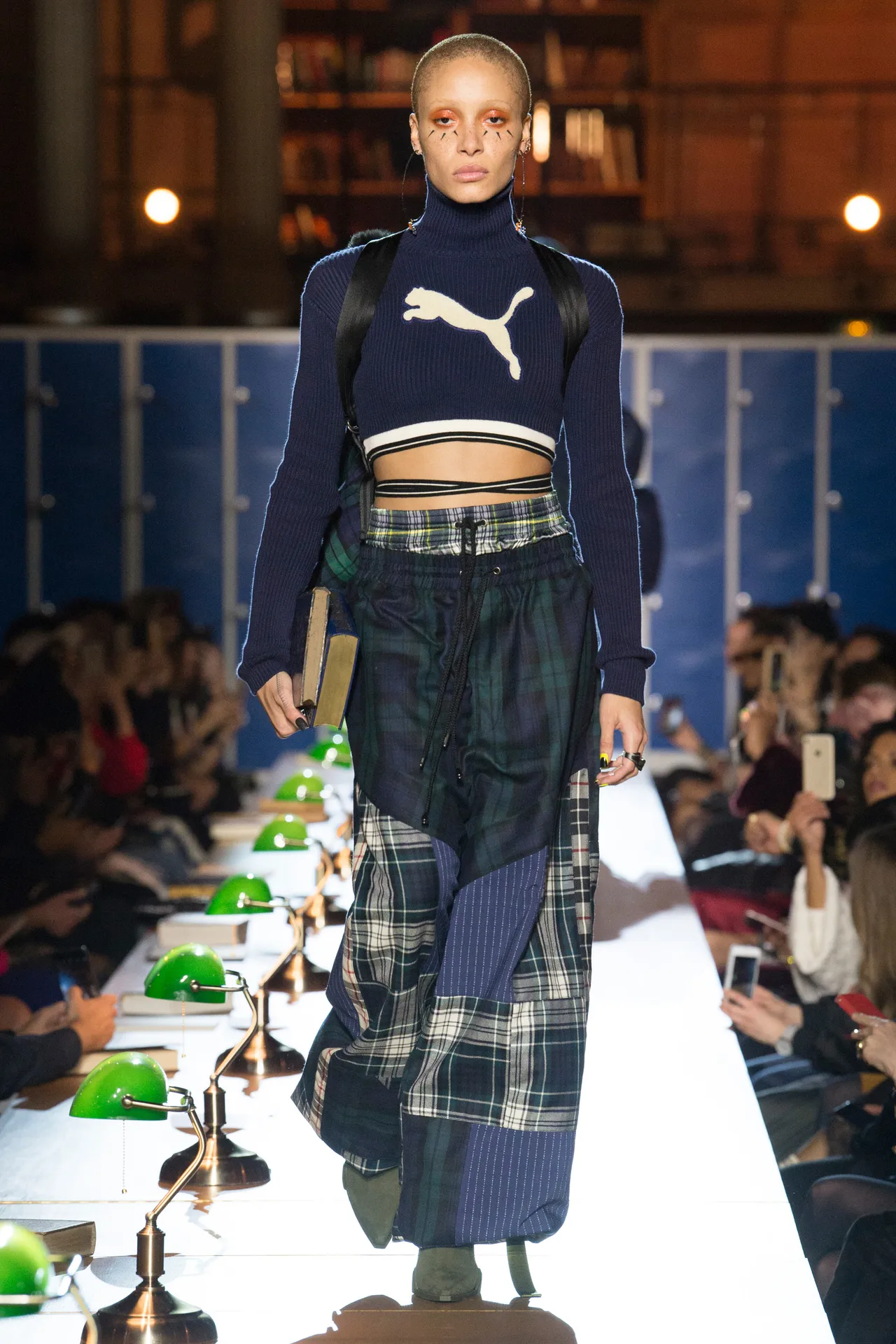
Source: Fenty x Puma, Vogue
But when businesses partners with a public figure, they also assume risk, most notably when a celebrity’s actions create a conflict with a business’s values. For example, Adidas recently put its lucrative merchandising relationship with Kanye West under review when the popular hip-hop star and fashion designer earned widespread scorn for wearing a racist T shirt at the Paris Fashion Show – after which he made anti-Semitic remarks on social media. Global brands including luxury fashion house Prada SpA and healthcare company Haleon Plc recently cut ties with star Chinese actor and singer Li Yifeng, who was detained on prostitution charges. In 2021, Prevea Health ended a nine-year partnership with Green Bay Packers star Aaron Rodgers after the quarterback detailed his reasoning for avoiding the three COVID-19 vaccinations endorsed by the NFL.
Kanye West’s relationship with Adidas illustrates that relationships between celebrities and brands can become so profitable that untangling them can be tricky even when it suits the brand’s best interests to sever ties. From a financial standpoint, the relationship has been successful for Adidas. West’s Yeezy imprint represents 7% to 12% of Adidas’ footwear, or roughly 4% to 8% of the company’s total revenues. Until 2022, that relationship was humming along nicely. But in recent weeks, West turned on Adidas as well as The Gap, with whom he’d signed a lucrative merchandising agreement in 2020. West accused Adidas of stealing his designs and generally being a poor business partner. He severed his relationship with The Gap but stayed on with Adidas. After that came his racist and anti-Semitic behavior.
Now Adidas is between a rock and a hard place. On the one hand, Kanye West is a source of embarrassment. But at the same time, Adidas, every company, faces the specter of a global recession. The company has also experienced a number of problems recently, such as a sudden CEO departure and a hit to sales due to closures in China and its Russia business. It won’t be so easy to sever ties.
But at this point, West’s behavior has become so repulsive that Adidas may have no choice but to part ways. Just how long can the shoe company afford to be associated with someone who makes anti-Semitic remarks and wears clothing with slogans affiliated with white supremacy? As Adidas noted when announcing that they were reviewing its relationship with West, both partners need to possess shared values. It’s difficult to see how Adidas’s values have anything in common with West’s based on recent developments.
Increasingly, brands are looking at other options besides paying high-profile celebrities to act as brand ambassadors and partners in commerce. For instance, micro influencers can deliver strong reach and engagement with more narrowly defined audiences, oftentimes clustered around regions and lifestyle interests. What they lack in national and global recognition they can make up for with street cred because of their fan followings and demonstrated knowledge of topics such as fashion and food. Thanks to platforms such as TikTok and YouTube, a number of these micro influencers have actually become superstars. But even so, brands need to approach those relationships carefully and consider that there is always risk involved. For instance, many brands severed ties with vlogger Laura Lee after her racist tweets from 2012 surfaced.
Any brand that wishes to form a relationship with an influencer – or any business for that matter – needs to look beyond financial appeal and examine whether their values are in harmony. As we discussed on our blog recently, values and purpose have become increasingly important to businesses because their customers, job seekers, employees, and investors are using values and purpose to evaluate them. A relationship with a controversially raunchy musician such as Megan Thee Stallion might work perfectly for a brand whose values stress body positivity and sexual empowerment – but probably not so well for a brand with conservative values.
It all comes down to values: where are they in harmony, and where are they in conflict? And when those values are in conflict, how much is a relationship worth the risk?
Contact IDX
To learn more about telling your brand’s story in the digital age, contact IDX. We can help you share your purpose and values credibly through our Connected Content approach.