
How Content Design Alters How People View Your Business
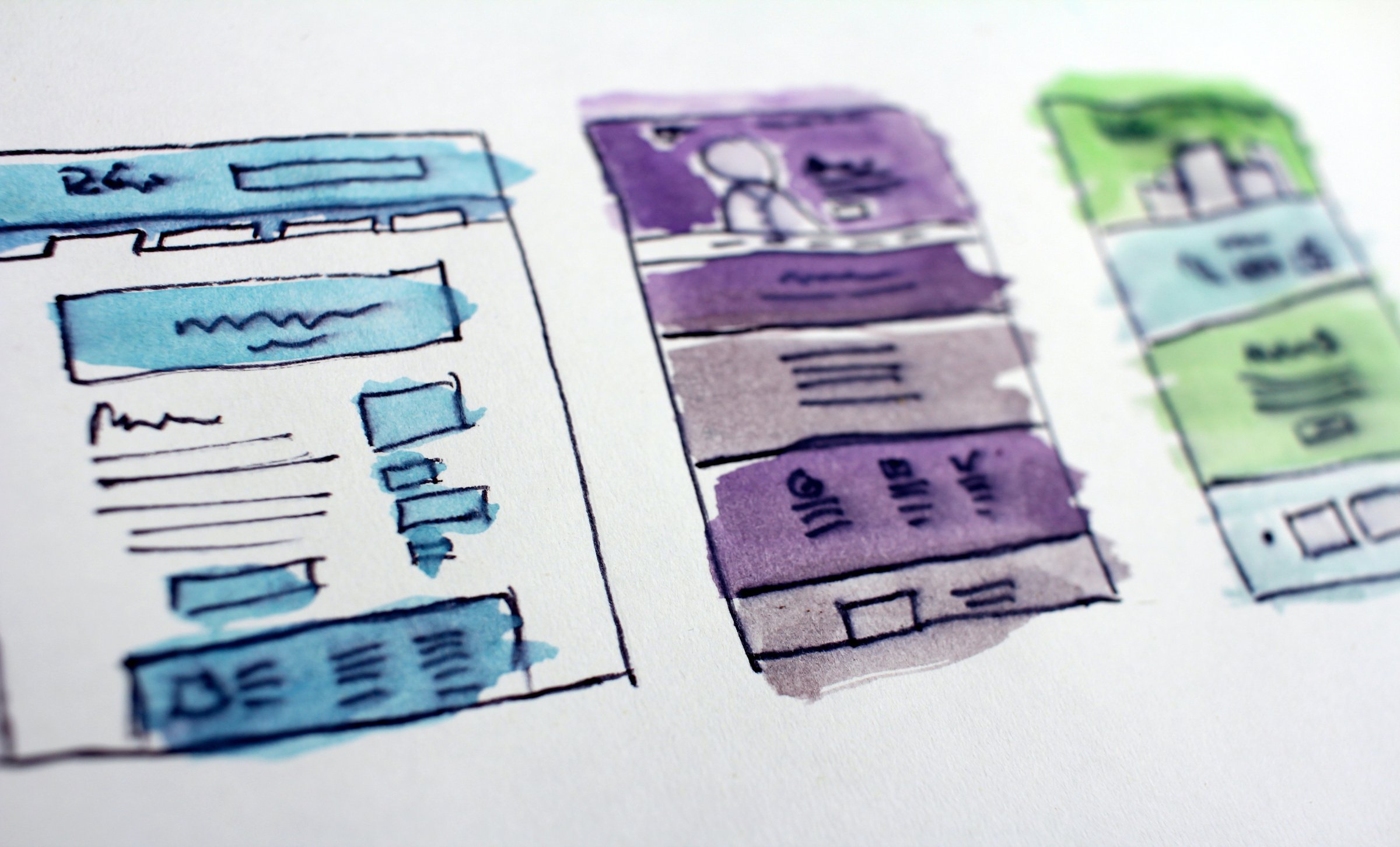
Content design is a new and rapidly growing discipline that connects the dots between writing, user experience (UX) design and accessibility to make content more purposeful and engaging. It’s rooted in research, data and evidence and uses techniques like user story mapping to make sure that every piece of content works as hard as it can.
The central question of any content design approach is “what, how and why can I use content to meet my audiences’ needs?” To answer these pressing questions, you have to first look at what your audience wants from your organization, and what you can do to best help them in that task. It requires understanding your users’ journey and goals and employing clear, consistent and quality content to help get them there.
It’s not just about copy or just words on a page. Content design helps you to discover the best type of content for your users, which could be anything from diagrams, to videos, to interactive quizzes.
The term was coined by Sarah Richards while she was head of content for the British government’s website, gov.uk. It’s widely regarded as an example of great content design. Every page has been carefully constructed to provide information the user needs at any point in time, while minimizing frustration or confusion.
For example, the page on Bank Holidays is built around the insight that most people don’t want to know the definition, legality or cultural significance of bank holidays. They simply want to know when their next day off work will be. So, the page looks like this:

Caption: The most important information is easily understood even at the quickest glance. https://www.gov.uk/bank-holidays
It might be obvious why content on a government’s website needs to be totally user-friendly and quick to digest. It must serve a wide range of people and be understandable to all. But why is it important for digital corporate communications?
Your users are people too
Too often, digital corporate content is focused primarily on communicating what the company wants to say, rather than what the audience needs to know. The resulting ‘brochureware’ isn’t good enough in a time when the rest of the internet is becoming ever more sophisticated and user-focused.
When we abstract corporate audiences like investors or analysts into job descriptions, we forget that at the end of the day they are people too. Like all of us, they are short on time and attention, and want websites to be useful, engaging and easy to use. Any website that isn’t simply won’t be taken seriously. Because content design puts users first, it’s the perfect approach to help us change our audiences’ perceptions.
Increase engagement and enjoyment
One of the most important insights we use in content design is that people don’t read online content like a book, taking in every word. Their eyes skip and jump around the page. In fact, research shows that on the average webpage, users are likely to read just 28% of the words. (Jakob Neilsen)
People simply don’t like to read much online. And they are even less likely to read long, complex paragraphs of text. That includes even the most educated audiences: 80% of professionals prefer simple language because it allows them to understand the information as quickly as possible. (The Public Speaks: An Empirical Study of Legal Communication Christopher R Trudeau (2012)) According to Forbes, senior executives increasingly prefer video over all other formats thanks to its convenience and shareability.
That makes good content design critical if you’re to get your key messages across. By understanding your readers, you’ll know what type of content they’re looking for, and how to present it to influence their perceptions. For example, we recently created an animation for a client to explain their new business structure to shareholders. Compared to the same information displayed using words on a page, the bounce rate reduced by 34%, with 88% of visitors staying longer on the page, suggesting that users were more receptive to and engaged by the content.
Make important information easier to find
Good content design is contextual. It takes in insights from data, like search and analytics, to make your content more useful. Even the best-written or most appealing content is not helpful if your audience can’t find what they’re looking for.
We worked with an insurance company last year to improve the careers section of their website. The existing title of the page about their programs for graduates and apprentices was titled Early Careers. But when we looked at search trends and volumes, this term had practically no traffic. It just wasn’t a term that school- or university-leavers were using. ‘Apprenticeship’ and ‘Graduate scheme’ were ten times as commonly used, both alone and with the company name. Simply retitling the page and ensuring this wording was used consistently, vastly improved its performance.
Increase trust
When you make your content all about your audience’s needs, they’ll find you more authoritative and trustworthy. Think about a website that’s always trying to tell you how sustainable their policies are. But as a regulator, what you really want is to quickly discover the numerical impact of those policies. The more difficult the website makes this task, the less you’re likely to trust the information. Content design can help you to map out an appropriate user journey. As a result, you might decide to include a simple way to download all of the relevant data to allow for easy comparison against benchmarks.

Caption: How a user story can help you understand and define user requirements.
Some of the above examples may seem basic if you’re familiar with digital content creation. But too often, corporate sites are not designed using a content-first approach. That risks leaving audiences confused, bored and even suspicious: not the emotions you want associated with your brand.
After all, content is why people visit websites, and what they remember after they leave. Used correctly, it can be incredibly effective in changing perceptions of your business. So why not give it the attention and rigor it deserves?
---
The Investis Digital content strategy team can help you improve the effectiveness and relevance of your content. Read more about what we do here.