
UX/UI Design: Two Sides of a Digital Engagement Strategy
User experience and user interface — or UX and UI — are two sides of any digital engagement strategy. UI is what’s created by a web designer or developer: It’s all of the elements that allow users to interact with a device (desktop, tablet, smartphone) to access digital information. Perhaps more self-explanatory, UX describes the value and enjoyment a user derives from interfacing with a website or app.
Without exceptional UX, you risk losing your audience. But you’re unlikely to have exceptional UX without solid UI. Strong dual UX/UI design keeps users coming back.
Getting results from your design process
So, what’s exceptional design? That depends on your audience. Good UI entails getting input from your audience at every step along the way, according to UX design consultant Jeremy Belcher. That process can begin before the site is developed and extend beyond launch.
While your approach will vary depending on your timeline and budget, make sure to consider the following opportunities for input and information.
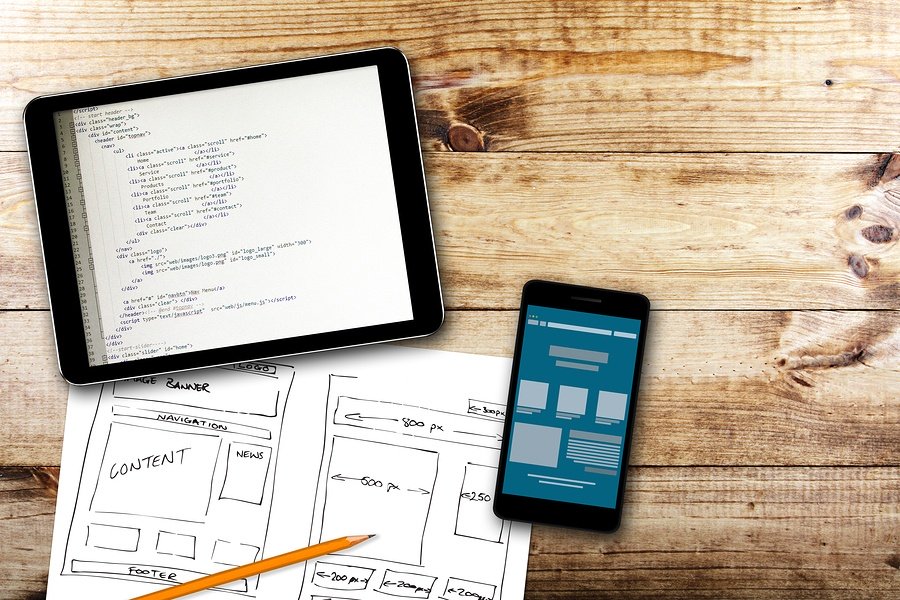
- During the conceptual development phase, share concepts, mock-ups or what developers refer to as “wireframes.” Early in the design process, changes can be readily made without incurring much expense.
- As you get further into concepting the site’s design and functionality, check in with representative members of your target audience. Are you on the right track? Is the site’s layout intuitive? Can your user group tell you where they might go to find information on your company, for example, or historical stock prices or news releases? Do they expect any information that you haven’t provided?
- Once the site has been developed, you have another opportunity to get feedback. This is especially important, Belcher says, because you will want to test the actual coding. “You can have the best visual design in the world, but if the JavaScript doesn’t work, then that gives you a bad user experience.”
- Once the site is live, you can gain actual data on how well it’s doing by reviewing your analytics: How many users are you drawing in? How long are they staying? Which pages are seeing the most traffic? The highest level of engagement? Post-launch, says Belcher, you can also do things like A/B testing to evaluate how different approaches impact user behavior. Try different headline styles, navigation, and calls to action.
At each stage, Belcher stresses, it’s critical to get the site in front of a panel of people who are as close to your intended audience as possible — ideally the actual users of the site. Put the panel through exercises, asking them to perform relevant tasks or activities. Observe what they do and have them explain what they’re doing. Paying attention to their thought processes will give you insight into your audience’s needs, assumptions and habits. Finally, based on their input, make revisions. It’s an iterative process that will enable you to continually improve site performance through exceptional UX.
UX/UI design for investor relations
“At the end of the day investors are people, too,” Belcher points out, “and they’re using the same technology that most of us are using on a daily basis. They’ve got smartphones. They’re using a lot of the same apps that we all use.” Moreover, he adds, they’re part of the enterprise consumerization trend. In the past, we used more sophisticated technology at work than at home. But now, chances are our own technology may be more advanced than what we use at work.
We’re using that technology to connect with a wide range of organizations for a wide range of activities. “When we create an investor relations website, we’re not just competing against other investor relations portals, we’re competing against Yahoo Finance and other online banking sites,” Belcher points out. “The most important thing is if they can find what they’re looking for and get in and out. We’re really trying to shorten the path to completion.”
In a world where multiple players are competing for our attention, Belcher says, the best UX/UI design is all about getting users what they need with the “lightest touch of interaction — that’s the best scenario.”