
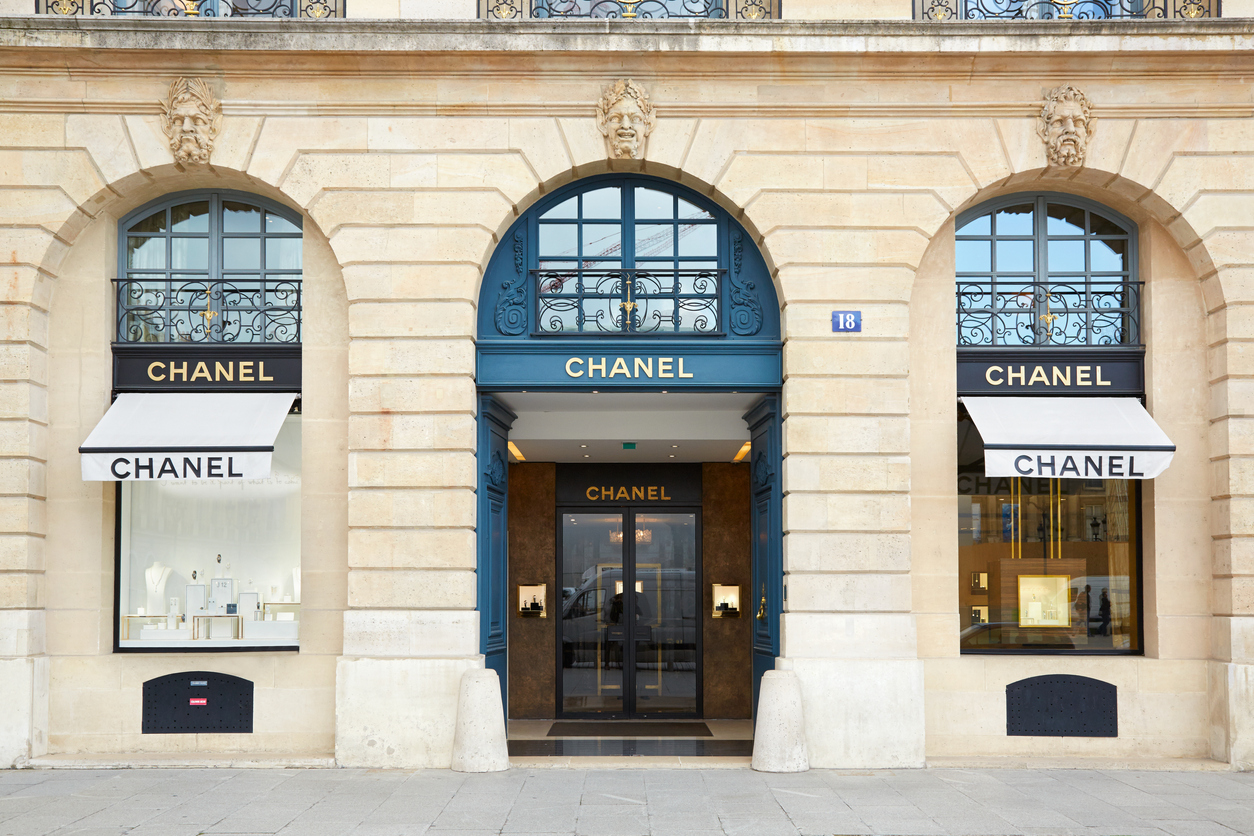
Chanel No.1: A New Standard in Sustainable Luxury
From renewable ingredients to innovative packaging, sustainability has become a priority for luxury beauty brands. This shift not only marks a crucial win for the environment, but also for performance. According to a recent study from Simon-Kucher & Partners, 34% of consumers are willing to pay more for sustainable products and services.
Chanel launches ‘Eco-Responsible’ Beauty Line
Just last week, French luxury house Chanel launched N°1 de Chanel—a new line of ‘eco-responsible’ skincare, fragrance, and makeup.

The line has committed to minimizing its environmental impact with a “strict formulation charter” and carbon-reduced packaging. Their new cream lids are made from “90% bio-based materials,” including red camellias (the star anti-aging ingredient in the skincare line). The containers are also crafted with lighter glass and shipped without cellphone or paper leaflets.
Chanel’s Sustainability Story
No°1 de Chanel is not the first step in Chanel’s sustainability story, however. This past June the company invested US$25 million into a fund which aims to assist smallholder farmers in developing nations address and combat the impacts of climate change. Chanel was the anchor investor in the Lanscape Resilience Fund (LRF) which was launched by sustainability consultants South Pole and the Worldwide fund for Nature.
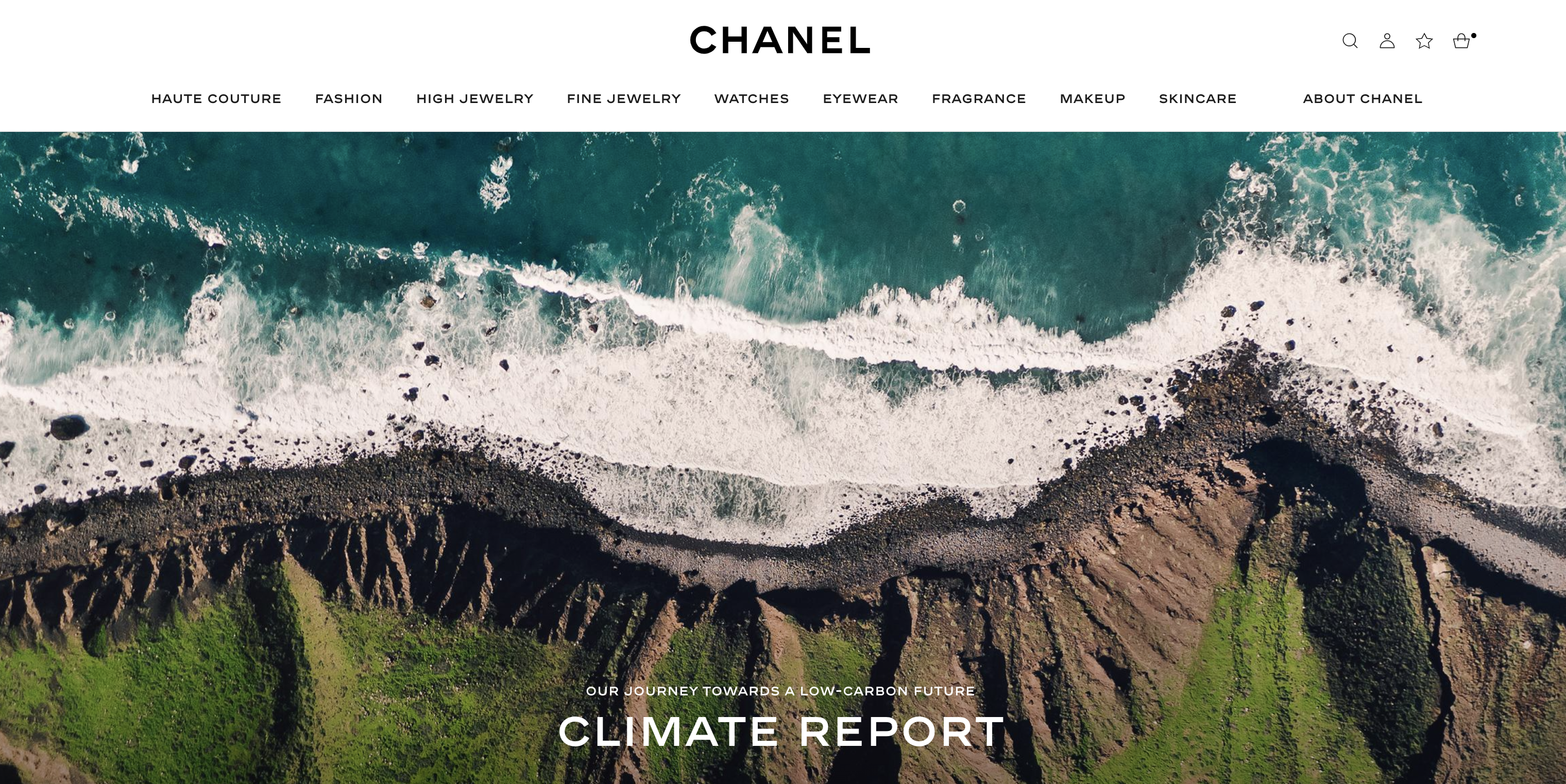
The company also released a climate report—Mission 1°5—in March 2020 to address the targets outlined in the 2015 Paris Climate Agreement. The report outlined ambitious goals for the brand, including a commitment to reducing carbon emissions across the board by 50% by 2030 and transitioning to 100% renewable electricity by 2025.
The Importance of Telling Your ESG Narrative
While having a strong sustainability narrative might seem like a ‘nice to have’—it is crucial to driving performance—and is something very few companies do well. Of the hundred companies we examined from the New York Stock Exchange 100, only 44 percent have a dedicated climate change or carbon reduction page on their website. Additionally, only 17% percent of companies we analyzed provided an assessment of the major non-financial risks to their business, with only half actually quantifying the impact or extent of these sustainability risks.
Luxury fashion brands who have adopted robust ESG narratives prove that it is an asset, not a barrier to performance. Gucci, which was ranked as the most popular luxury brand of 2021 and generated over 7.44 billion euros in profit (2019), launched Gucci Equilibrium—an organization committed to enacting positive change for people and the planet. Their work has contributed to circular economy initiatives which upcycle used materials and the equitable delivery of COVID-19 vaccines across the globe (to name just a few).
Tell Your Sustainability Story
A transparent sustainability narrative, backed by consistent and purpose-driven action, is crucial to building trust with digital audiences and stakeholders. For tips on how to build your ESG story, as well as a ranking of the Top Global companies that tell their digital sustainability story, download our report: The New ESG Agenda.
Ready to tell your sustainability story? Learn more about our ESG & sustainability solutions, here or contact our experts.