

How to Make Your Website a Talent Magnet
The typical job search begins online. More than 70% of job searches begin on Google, according to Recruiter.com. In addition, approximately 79% of job applications use social media as part of their job-seeking journey. Perhaps it’s not surprising that LinkedIn found that 70% percent of talent professionals believe that virtual recruiting will be the standard moving forward. These are compelling reasons why businesses should treat their websites as talent magnets.
The main job of a corporate website is to connect a company’s brand, products, services and values with its audiences. Since a candidate’s digital journey will lead to your website, your target audience naturally includes job seekers.
Your corporate website greatly influences the perception that your customers, your current employees and potential employees have of your organization. It displays your personality, culture and overall values. It defines your position in the market and what you have to offer.
The key to turning your website into a talent magnet is delivering on the promise of your employee value proposition (EVP) with rich, immersive content that resonates with job seekers. When you visit some career websites, the brand’s EVP jumps out at you. You know exactly what the company does, what they stand for, what the culture is like and whether you could see yourself working for them.
But no matter how well you organize your careers site and articulate your EVP, job seekers won’t see all this great content if they cannot find. So, it’s imperative that you optimize your careers content for search.
How to make your website findable
Here are some best practices to help your career-focused content earn rankings:
- Publish non-branded, keyword-rich content. To support job seekers who are in the awareness or exploring stages of their applicant journey, you’ll want to publish some non-branded content on career topics. For example, you can publish informational pages on how a workplace policy or benefit works without going into too much detail about your specific company. The goal is for your organization to provide this information rather than other media sources, such as Glassdoor.com or other applicant sites.

Source: HubSpot
- Publish static pages dedicated to policies, values, and other information that is unlikely to change very much. You want to make it easy for prospective employees to find key information pertaining to your EVP. Therefore, you should write about policies and values on static pages that can be accessed easily from your main career page, as opposed to hiding this information in a blog post. Blog posts are better suited for content that covers topical career information. For example, you can publish blog posts about what your DE&I committee is doing, recent volunteer activities run by employees or general updates about your organization.
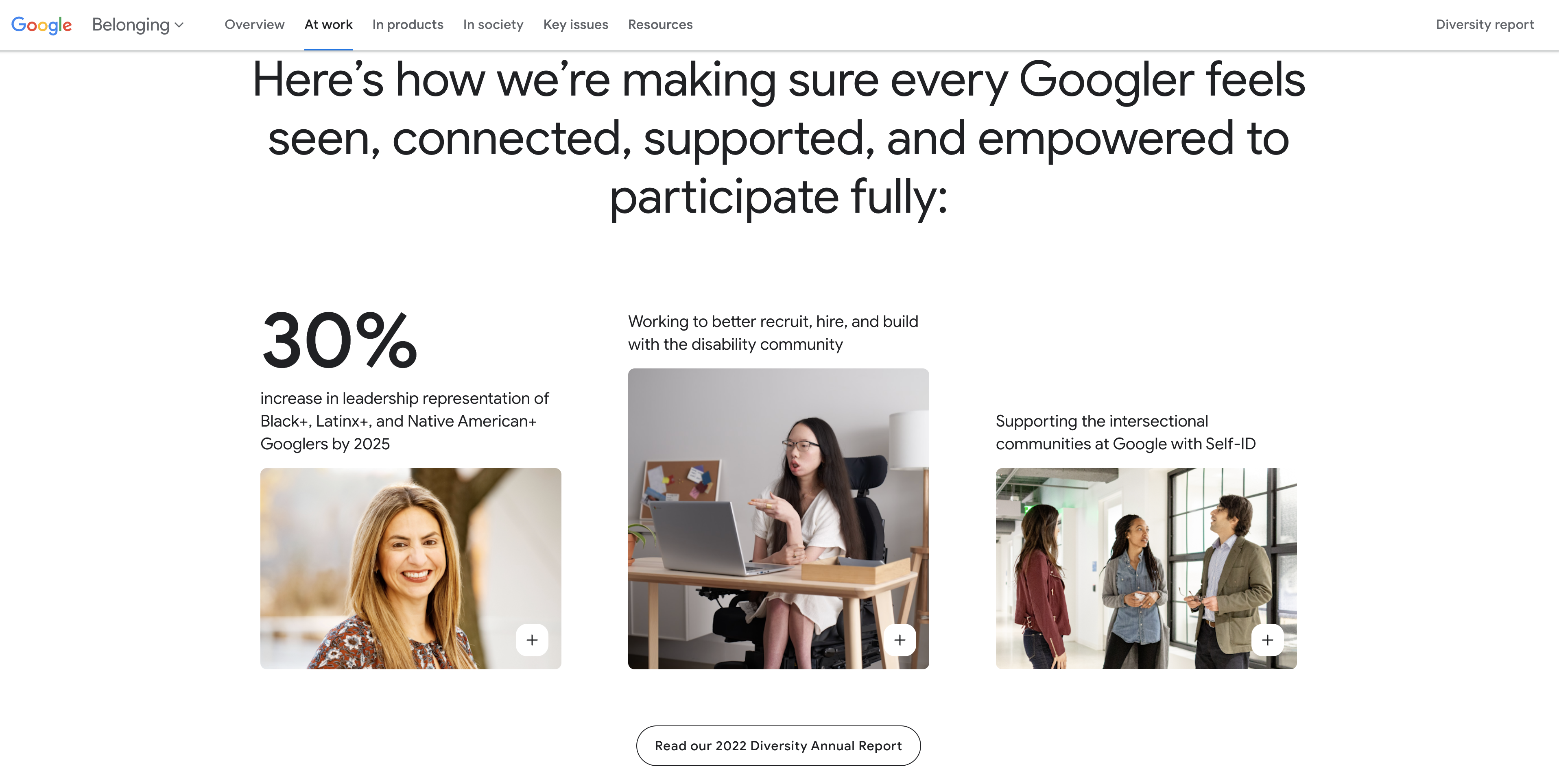
Source: Google Annual Diversity Report
- Customize your URLs. It is important that the URLs are your career site are human readable. This helps support rankings and makes for a better user experience.
- Optimize for mobile. Over 90% of job seekers use their phones to look for jobs—so it’s important to make sure your career site is optimized for mobile. That includes the content on the career section of your website as well as the job postings themselves.
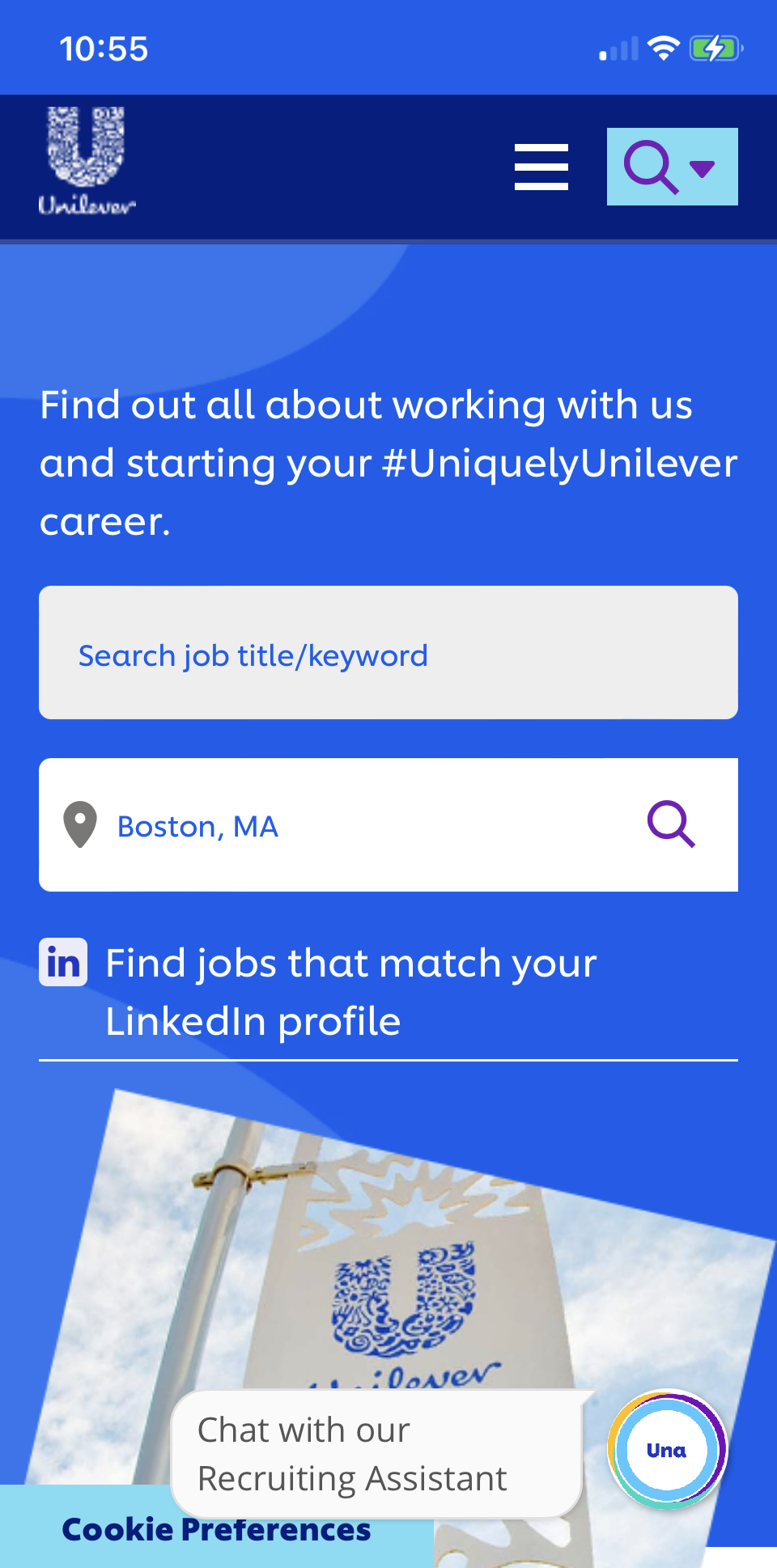
Source: Unilever Careers (mobile)
- Check your Core Web Vitals. The metric known as Core Web Vitals not only affect your website’s user experience—they can affect your ability to rank highly in Google. Simply put, if your site doesn’t load quickly or has low CWV scores, your SERPs will suffer. You can see if your site passes the CWV test by clicking here.
- Become ADA compliant. It goes without saying that your website should be ADA compliant, as this ensures that individuals with disabilities are easily navigate and read the information on your website. There are a variety of accessibility tools available that can help you check if your website is ADA compliant.
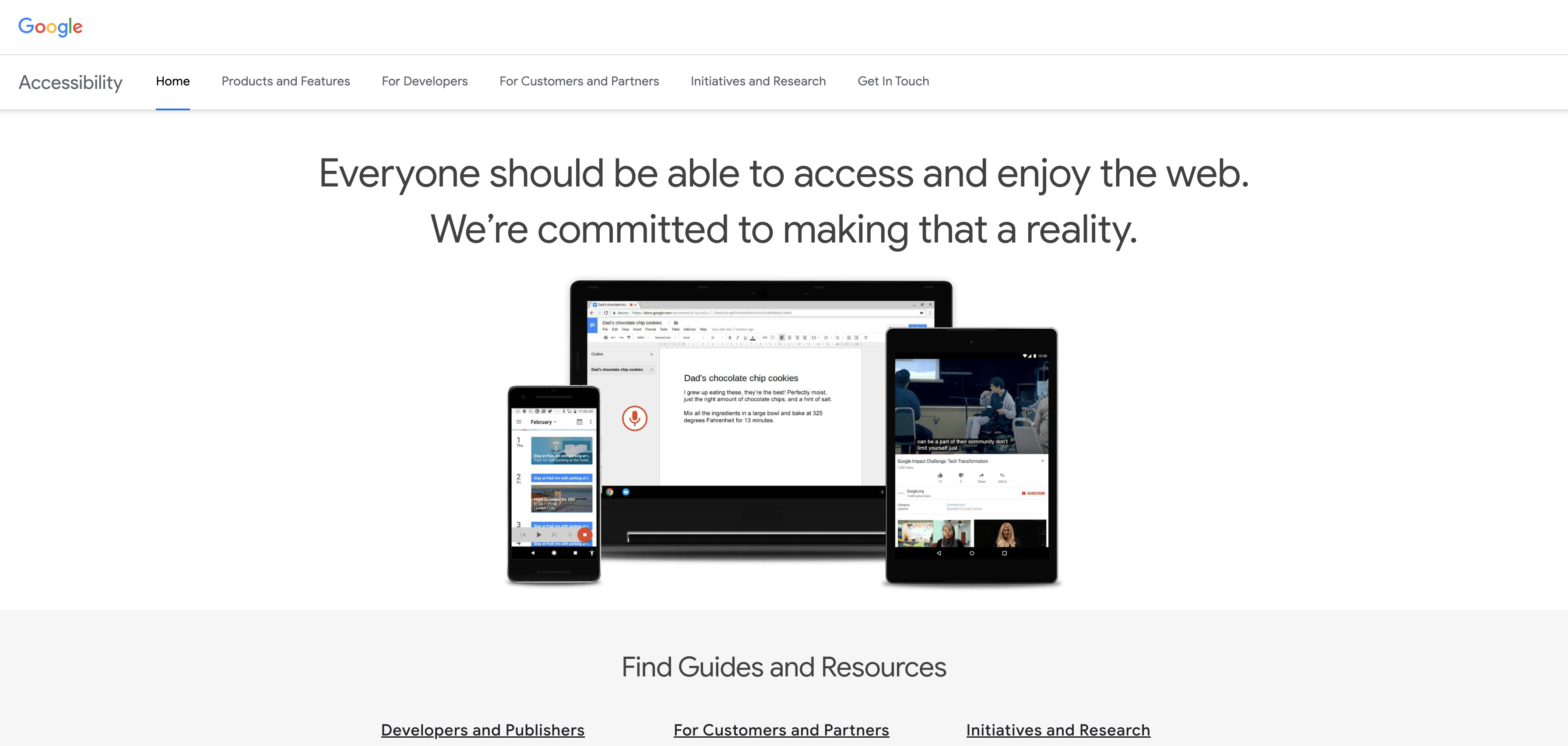
Source: Google Accessibility
- Include structured data. Adding structured data to your job postings gives you the opportunity to rank in Google’s specialized results for job postings. You can use Google’s Rich Results Test to determine if your page is able to support specialized SERP features.
.png)
The area of your website dedicated to job openings is likely only a small part of your overall site, yet for many corporate websites, this section generates the highest amount of traffic.
Larger and more complex organizations with multiple brands, products, locations and business units may find it difficult to fully express their EVP on their corporate website. In these scenarios, a separate career website or subdomain may make sense.
We work with clients that include career information on their main website as well as clients who use a separate career subdomain. Regardless of where your career information lives, the bottom line is that you will need to optimize this content in order to secure organic search ranking.
Learn More
Our recently published The Guide to Successful Talent Acquisition provides a blueprint for recruiters and hiring managers to succeed in today’s – and tomorrow’s – job market. This is the only guide a recruiter or hiring manager will need to attract talent in a digital-first world. Our guide will teach you how to create a “ready now” pipeline of the right talent for your company. Takeaways include:
- How to find and maintain a highly qualified talent pool in a digital-first world
- How to develop an employee value proposition
- How to create a snapshot of your ideal candidate and their journey
- Why your website needs to be a talent magnet
- How to develop a strong lead nurture strategy for your most qualified candidates
And much more. The guide includes case studies based on Investis Digital’s extensive experience with HR and talent acquisition. For example, we helped Rolls-Royce adapt its talent acquisition approach to build a stronger employee brand with coveted talent. Download the guide and contact Investis Digital to learn how we can help you.