

6 Steps to Running a Lead Generation Campaign
As we have talked about in previous articles, the terms “lead generation” and “demand generation” are trending in the marketing world. Although, there is a bit of confusion deciphering the difference between the two. In our recent e-book, “How to Succeed with Demand Gen & Lead Gen” we take a deep dive into how the terms are different, how they relate, and how to run campaigns for each.
What is lead Generation?
If you’ve done demand generation well, you’ve created a pool of potential clients or customers by landing on their radar screens and getting them interested in your product or service. Lead generation picks up where demand generation leaves off by getting those prospects closer to becoming actual customers. The goal of lead gen is to move a prospect through the buyer’s journey, ultimately turning them into a customer.
If you operate by using marketing qualified leads (MQLs) and sales qualified leads (SQLS), lead gen would be the action of moving the MQL through nurture until they are ready to speak with sales (SQL). As HubSpot would put it, “Lead generation is the process of increasing audience interest in your business offerings through nurturing, with the end goal of converting people into customers after convincing them that what you offer will help them meet their needs.”
Once you have completed your demand gen campaign and are ready to start turning that demand into prospective conversions, you will want to follow these six steps:
1. Create goals/KPIs
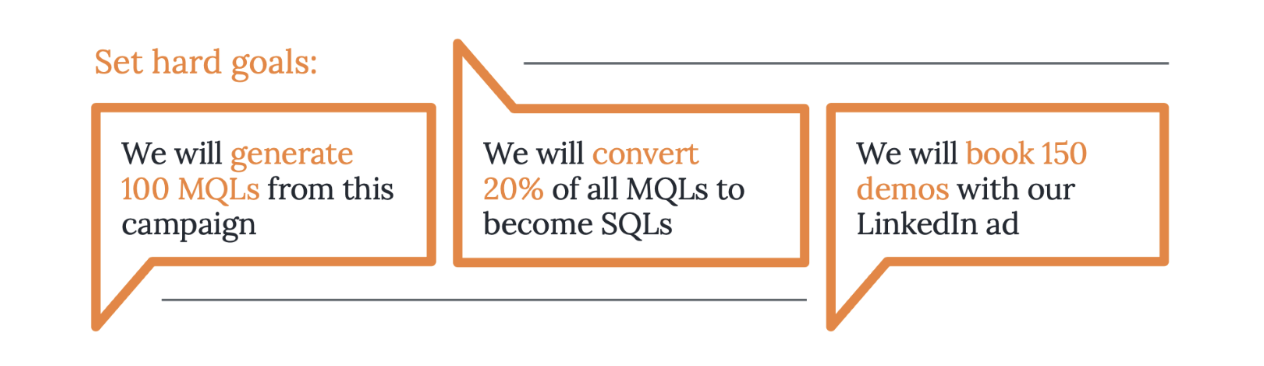
As you did for your demand gen campaign, you want to start with your goals/KPIs. While demand gen is focused on brand awareness, impressions, or website visits, your lead gen goals will be leads/revenue driven.
Specifically, you may want to be looking at metrics like the number of MQLs and SQLs and your organic traffic. Setting your goals at the start of your campaign will allow you to plan the rest of your strategy in line with these goals. For example, if you know at the start you need to generate 100 MQLs, you can identify the type of programs you need to run to hit that target.
2. Understand how your audience’s motivations are changing in their journey
In demand generation, you defined your audience. With lead generation, you need to take a step back and understand where your audience is in their buyer’s journey. At this point, you should have demand generation campaigns running and creating some buzz to your website. The goal now becomes, “how do I turn this interest into real dollars.”
This is your opportunity to look at your demand gen campaign and understand the type of content your target audience is looking at on your website/socials/emails. Depending on where you found success in your demand gen campaigns, this where you want to focus your lead gen efforts.
3. Content
Content for lead gen is similar to demand gen. But with lead gen, your goal is to drive leads. This means you need to target content that convinces the prospect to share information about themselves. For example, an in-depth white paper may appeal to someone after they’ve become aware of your business via your demand generation campaign and now want to learn more about you can solve their problems
4. Distribute content through the right channels (i.e. events, email marketing, social media, direct mail)
Once all your content is written, designed, or produced, it is time to choose which channels you want to use for distribution. At this step, it is important to remember the data from your demand generation campaign. You want to choose the channel where your activity is thriving. For a B2C company, this may be using paid ads through Facebook, Instagram, or TikTok while B2B companies may choose LinkedIn.
5. Nurture leads
Now we get to the fun part! What really sets demand gen apart from lead gen is the idea of lead nurturing. Now that your content is gated, or you are otherwise collecting emails, such as through free webinars, what do you do now? It is your time to shine with your email marketing skills.
Let’s say you own a paint company. As a part of your lead gen campaign, you had a white paper written detailing the best types of paint to use for painting walls. Someone downloads this white paper—they may be getting ready to start a paint project or planning one down the road.
Once they download your white paper, you should be following up with relevant and helpful emails to keep them engaged with your brand. You want to keep these emails informational and let them know how your company can help them; include CTAs like “speak with sales” or “shop our paint sale.”
The goal of your nurture program is to stay top of mind so that when a lead does start that paint project, they will remember your name and (hopefully) buy your paint.
The data you can collect from your lead nurture efforts is gold. The paint company would want to include in its nurture emails links to different resources about your paint—maybe your blog on “How much paint should you buy to paint a house.” Because you know the prospect is potentially close to a decision, this is the time for your sales team to make a move.
It is not easy to get into the mind of your prospect, but if you are able to track their moves from the email to specific pages on your website, you can continue to nurture them with the content they want to see.
6. Test and iterate
As always, stay on top of the performance of all your live campaigns, making changes when necessary.
What next?
If you are looking to learn more about demand generation or lead generation, download our guide “How to Succeed with Demand Generation & Lead Generation”. Have specific questions on how to improve your lead gen efforts? Reach out and leave us your questions.