

B2B Account Based Marketing: The Ultimate Guide
"The traditional model of linear deal progression, with a handoff from marketing to sales, won’t work for complex modern B2B buying." - Brent Adamson, Distinguished Vice President, Advisory, Gartner
In the business-to-business (B2B) world, many companies are faced with smaller prospect pools and long sales cycles. To make matters more difficult, 70% of purchasing decisions are made before someone speaks to a salesperson. As a result, many marketing departments are left to navigate long-term cold outreach to warm up prospects who are not ready to speak to a salesperson. Far from simply stating a product benefit and asking for an appointment, B2B marketers must establish their brand as an indispensable resource so when the time comes to buy, a prospect has their information at their fingertips and reaches out. Account based marketing (ABM) helps businesses meet these challenges. If used effectively, ABM can boost revenue and marketing’s return on investment.
This is your guide to improving and setting up your B2B account-based marketing tactics for success. The following examples are based on real systems and techniques we use here at Investis Digital to help specifically B2B companies deliver more qualified leads to sales.
What is account-based marketing?
ABM isn’t a new or revolutionary marketing strategy, but it has gained popularity in recent years. Focusing on ABM shifts your B2B marketing pool from a volume-based lead strategy to a one-to-one communication style that provides value at every touchpoint.
A limited prospect pool runs counter to the flawed “sales funnel,” which casts a wide net and assumes you have unlimited prospects at your disposal. The sales funnel model also assumes every prospect that you add in will eventually “drop out of the bottom” or convert. In a perfect world, everyone who entered your sales cycle would always convert but we know this typically is not the case, especially in B2B sales or account-based marketing where companies could be targeting as few as 1,000 prospects.
Instead of a funnel, ABM is more like a sieve. You know that screen thing miners use to sift through dirt and find hidden gems? You put a shovel full of dirt in, shake it around, and let everything but the nuggets of gold fall through. Like a sieve, ABM finds those hidden gems and just like miners, you need to be willing to do the work to separate them out.

Account based marketing includes the following:
- Identifying your best accounts by developing ideal client profiles
- Using data to gather detailed insights on your client profiles
- Using that data and analysis to align your processes to meet their needs
- Prioritizing your actions based on how you tier marketing opportunities
- Creating personalized content to meet them at the right time, in the right channel
- Measuring, analyzing, and fine-tuning your efforts based on data
ABM is a great approach if your organization sells to large, enterprise-level accounts that have multiple decision-makers and longer sales cycles. Additionally, businesses in the B2B space that are ideal for ABM usually need their clients to commit to large, long-term investments.
Investing time and resources in ABM correctly yields these benefits:
- A more personalized marketing approach
- Increased alignment of sales and marketing teams
- Less time chasing down dead-end leads
- Increased demos and form fills
- Shorter and more efficient sales cycles
- Increased conversion rates
- Increased annual contract values
- Increased renewal rates
- More precise measurement of your marketing ROI
Implementing your ABM strategy correctly means combining and capitalizing on company expertise, being discovered for non-branded terms and then nurturing your “gems”—in this case, your prospects—until they are ready to buy.
Your company experts will be the source for your non-branded content. Non-branded content is information that lives on your website, social or other venues but doesn’t sell your company or the services you deliver. This Account-Based Marketing Guide is a great example. Just finding it on our website means you have a need, and now you know about Investis Digital too. There’s no need to sell you, and if we did, then our credibility would suffer. Instead, non-branded content delivers knowledge about topics a company has expertise in. People who consume non-branded content should be nurtured, which means that person will occasionally get more useful information. The whole point of nurturing is to gently remind someone that the company is still there and can help when the need arises.
Let’s dive a bit deeper into the expertise, discovery and nurturing phases.
ABM Pillar #1: Expertise
Establishing expertise means creating content that solves prospect problems and answers prospect questions in various formats. Original content fuels everything. The best case is that your internal experts create that copy for your company. Yes, that means salespeople, too. In fact, it’s now critical that your salespeople are viewed as thought leaders in the field. Creating content is a great start.
Some companies hire freelancers to ghostwrite for experts. This is less than ideal because to be credible, your team needs to demonstrate knowledge of clients’ business problems and that you can relate the benefits of your products or services to those needs. This is done by developing the subject matter authority of the people on the front lines of building client relationships, including the sales team. Your company—starting with the sales team—needs to show that you understand. There’s nothing like researching and writing content (or creating videos and infographics) to bolster that knowledge. This process requires time and effort on your part but doing so keeps you plugged into the marketplace. That said, not everyone possesses the skills and time to create content, so collaborating with an outside creator (such as a ghostwriter or visual design artist, is common. If you choose to work with an outside resource, just make sure it’s a real collaboration. Don’t assign them the job of doing your thinking for you. Have a point of view for a topic and then work closely with them to bring it to life.
Content Formats
Nearly all content starts in the written form, but that doesn’t mean it should be presented in black and white only. Video content should be high on your list. A 2018 HubSpot survey shows “54% of consumers want to see video from a brand or business.” We think that is conservative. In addition, video helps convey the personality of the company and the team member.
That means training your team to be comfortable in front of the camera or hiring people who don’t mind appearing under the bright lights. Try online courses on udemy.com or skilshare.com to hone those skills. They are affordable and offer some helpful tips.
Infographics and illustrations are also a great way to relay information. It’s widely proven that people absorb far more from an infographic than a written article alone (that’s why we have some in this!)
When to Publish Content
The burning question we hear is: "how often should I produce content?” The short answer is that it really depends on your needs. The longer answer depends on how else you will use the content you produce. If you use it to bolster search results (good idea!) then you should consider publishing as much as you can.
“The stats prove out that more content is better,” says Investis Director of Content, Megan Krause. “Google prefers sites that post high-quality content on a regular basis. It demonstrates a user-first attitude and gives the search engine a steady supply of content to crawl and index.”
How to Use Content
For our internal ABM, we create vertical specific content rich e-newsletters, including video, once per month. Then we use that content for cold outreach, 1:1 sales-to-prospect outreach, lead nurture, our social media and blogs. We also create salesperson-driven custom content on a per-account basis. This can include quick videos and market updates. Finally, also use that content to nurture new prospects who may have downloaded a piece of content like this whitepaper. Yes! You too will get more great content from us.
Promote and publish your content at the company level with a robust blog and social media presence and at the seller level through targeted outreach, social media, YouTube and other outlets. One of the biggest mistakes we see is companies only using content in one of these mediums, fearing that people may notice the content from the company and the salesperson in multiple places. This risk of this happening is next to zero, so post and publish in as many venues as possible, just be sure not to publish exact articles on multiple websites, because doing so will hurt your SEO.
In addition, don’t be afraid to repurpose, refresh and reuse timely topics. Unless you have a post that goes Kim Kardashian viral, you should be fine talking about the same subject in different variations at different times. Look closely and you will find posts on our blog about B2B Sales Teams and ABM that inspired this e-book. We will also be breaking this ebook apart for smaller blog posts and in our monthly newsletter. Your targeted accounts may not have noticed or read your previous content about a particular subject, so go at it with a different angle if it’s something you believe in.
ABM Pillar #2: Discovery
Even if you consistently run ABM campaigns, your prospects still may not remember the name of your company, or you. That’s the nature of digital: sometimes it’s hard to remember which company sent what information. If you have been consistent with your valuable outreach, perhaps your prospect will search their emails and find you when they need help. Or maybe they saved your content, and they will find your contact information there. Because you include your contact info on every piece of contact, right?
If those things don’t work, then your prospect will probably search for the service they need on Google. That means you must be found, not just by your company name but in non-branded search. The only way to increase your chances of discovery in SERPs is to crank out content your target audience searches for, make sure it is valuable, and try to link it to other credible websites.
This goes hand-in-hand with choosing content topics. The simplest way to determine topics is by asking sales what people ask for. Maybe there’s a hot topic at the trade show everyone is buzzing about. But that doesn’t mean those topics will translate into search volume. Our Director of Performance Marketing, Billy Adams, suggests these five steps to non-branded content bliss.
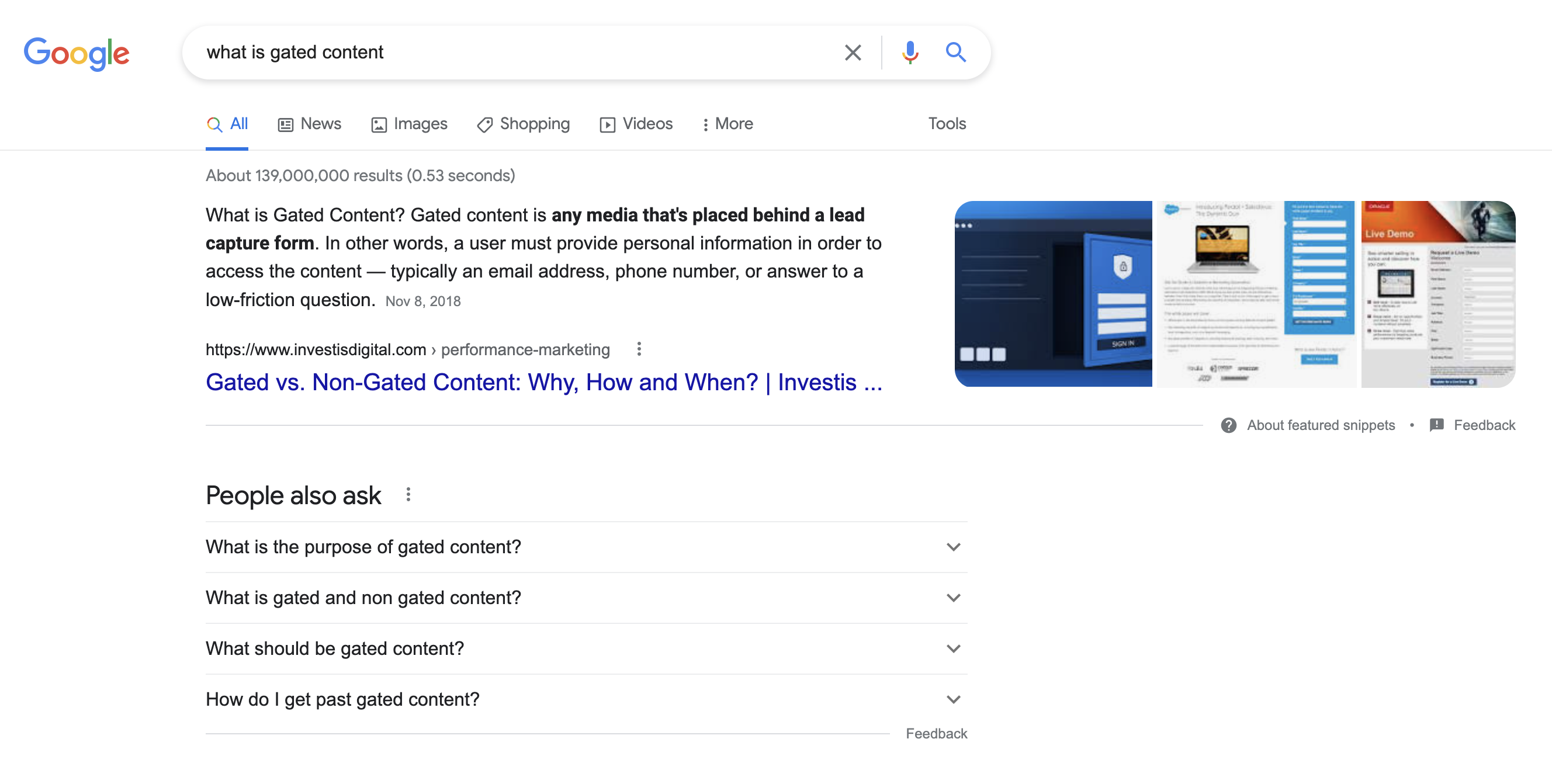
1. Google for a general topic you are interested in OR Use SEMrush, Ahrefs (or similar keyword tools) to identify a target keyword's search volume and competition
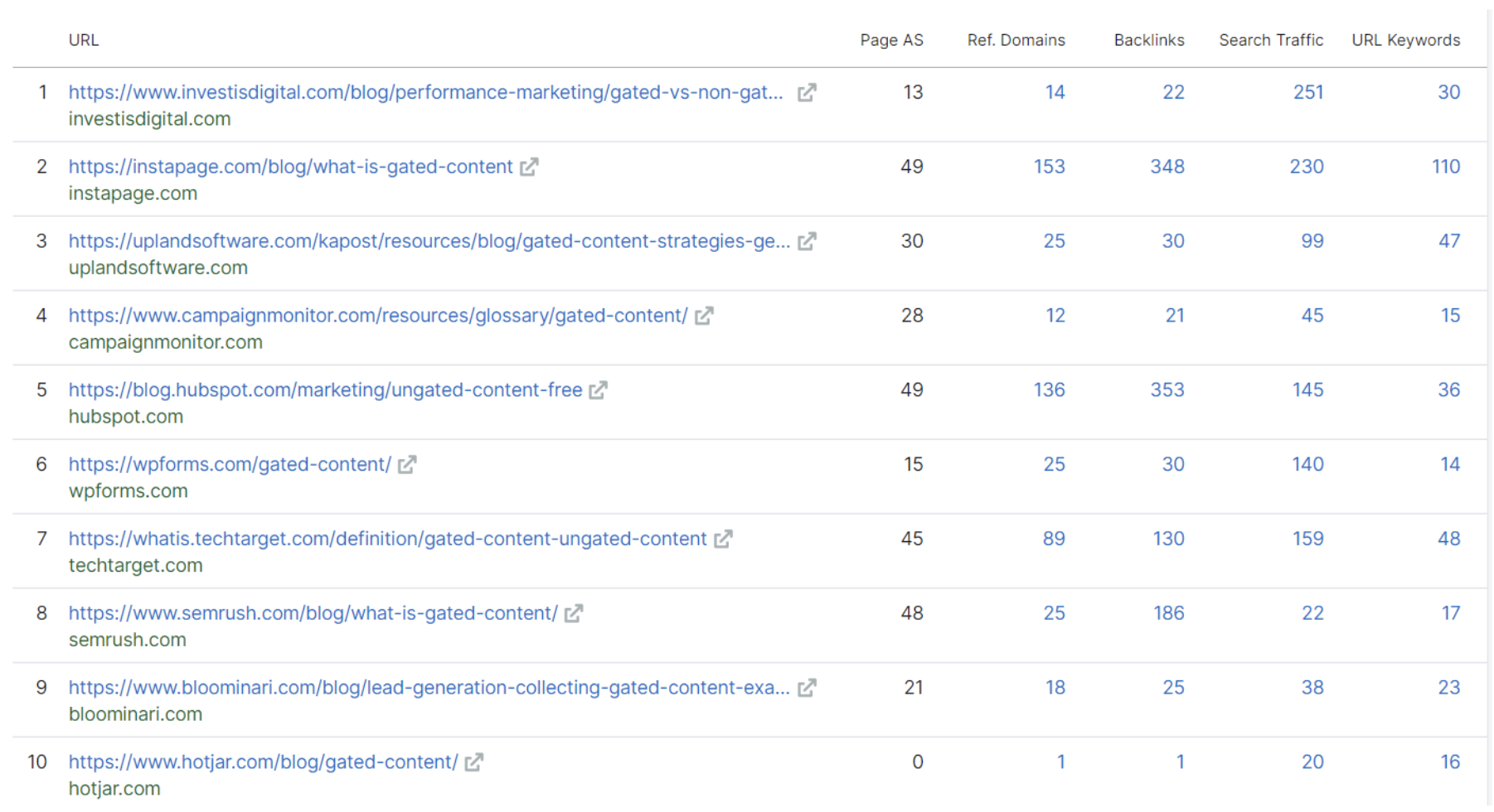
2. Find the top performing blog posts on SEMrush or Ahrefs based on keyword rankings, traffic and backlinks
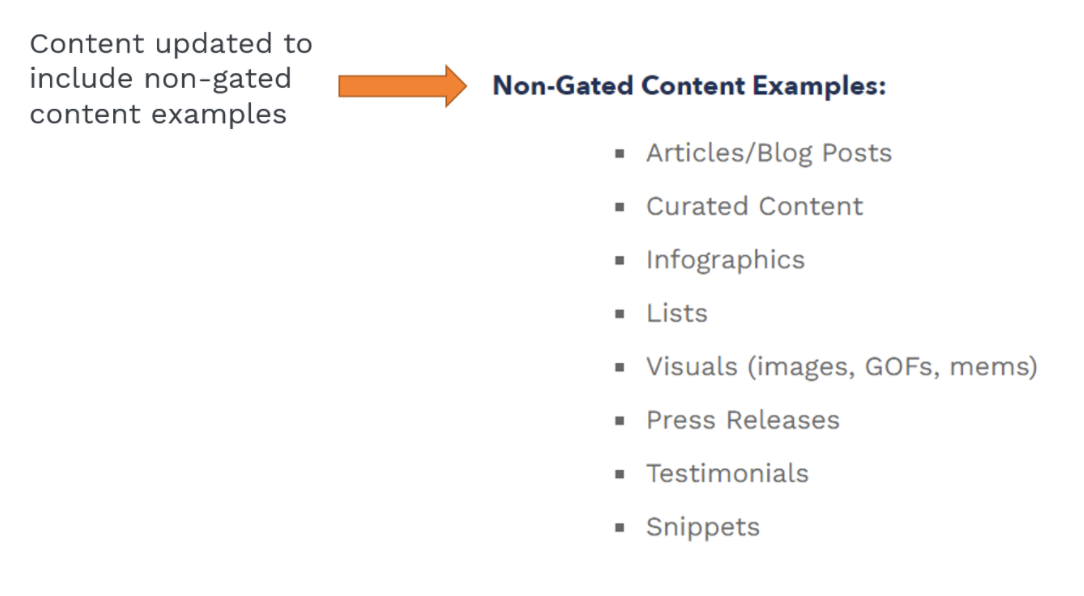
3. Create a document that includes all the best elements from each competitor

4. Find a way to provide unique value to the content
5. Produce your content
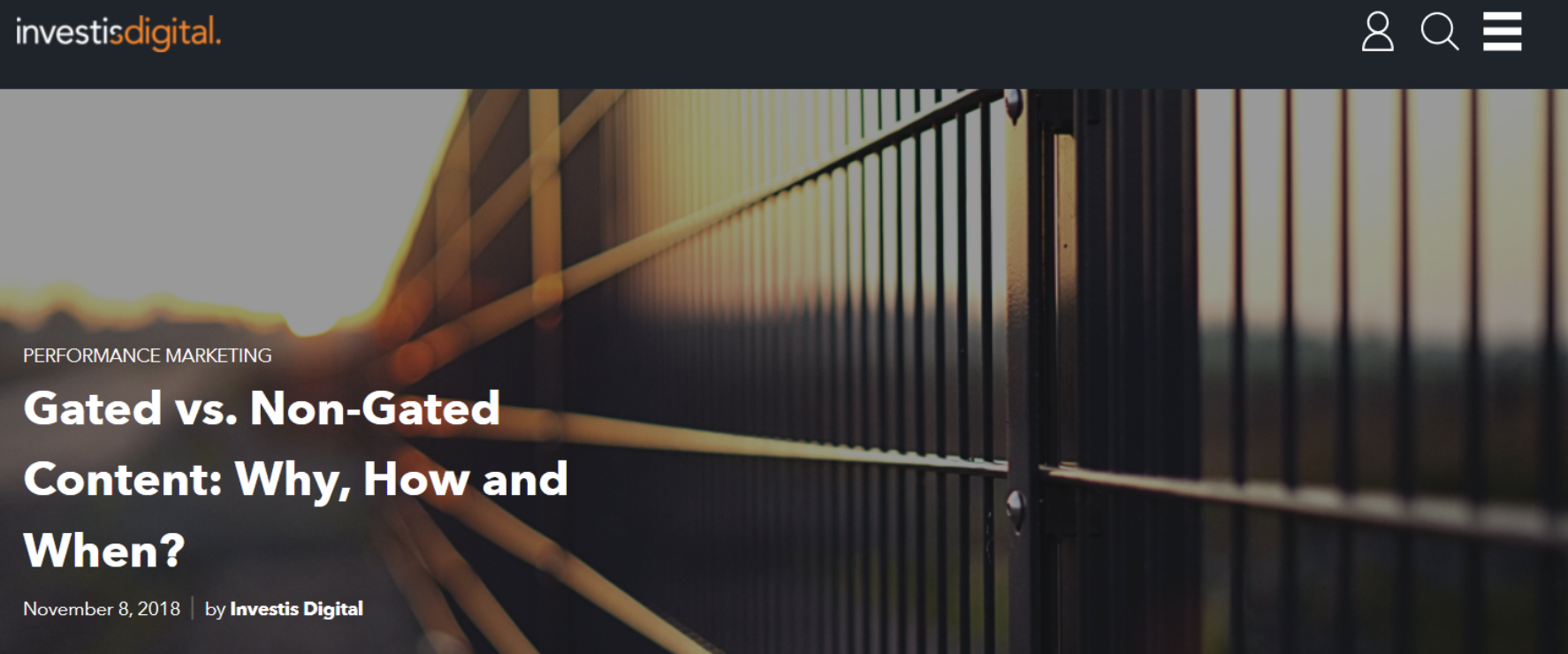
That’s exactly what we did to build this white paper. We started with a great blog post by Ahrefs: https://ahrefs.com/blog/b2b-marketing/. It ranked well and since Ahrefs is a killer SEO tool, we figured they were on to something. Then, we came up with a list of topics. We searched those topics and found which ones had good search volume and which did not. Finally, we built this outline and got to work.
ABM Pillar #3: Nurturing Your Leads
Now that you have your content plan in place, it’s time to build an inbound lead machine by delivering consistent, undeniable expertise so your B2B buyers know who to turn to when they need your solution. The key ingredients of this inbound lead machine are a plan with goals, consistent content (which we already covered), thought leadership and patience.
A plan with goals seems like a no-brainer, but so many don’t take this critical step and still expect results while winging it. Don’t fall into this trap. Take the time to build a detailed plan starting with a measurable KPI.
We prefer the simplest metric, how many “solution presentations” we make each month. A solution presentation means showing the prospect how we will fix their problem, with expected results and the charge to do so. It’s a small number at the tail end of marketing and inbound efforts.
Sticking with a plan makes sure you stay on task, and provides consistent, valuable communication to your prospects. You should structure your plan by type of outreach, when you will deliver it and who will own the effort. That could mean corporate messaging, individual sales outreach or, in most cases, a mixture of the two. Check out your data to determine if there is seasonality or prospect actions such as downloads or looking at certain portions of your website that would trigger the switch from corporate to personalized sales messaging.
For example, you may want to send out a monthly e-newsletter, build interactive webinars, create blog posts, push content—both organic and paid—on LinkedIn and promote your upcoming speaking appearances. If someone reaches your determined trigger point, a salesperson should reach out with individual observations and suggested solutions. Each type of content and step should have an owner on your team to build and facilitate the schedule to make sure their segment happens.
Try a monthly spreadsheet with each task broken out along with due dates and the owner of the task. Each quarter, take time to evaluate the results, what worked and what didn’t, then build the monthly schedule for the next quarter and so on.
Once your schedule is built, hold your team members, and yourself, accountable. Review your plan at least once a week. Implement a “no excuses” policy. No matter how busy a team member is, they will get their prospect nurture tasks done. If someone is particularly busy with pitches, be a team, come together and cover for them, but don’t let your plan slide because consistency is key.
Prove Your ABM Efforts by Showing ROI:
Congratulations, you have all your content planned, scheduled, and are holding yourself and your teams accountable. At the end of the year, someone you report to—or they report to, or worse someone on the board—is going to ask for results. You can show all the pretty pictures you want, but the only language that matters is numbers. That means you must track your efforts and results.
We suggest starting with that simplest metric and working backward from there. For example, how much do you need in sales this year and how much is your typical deal worth? Then use historical company data (if you have it) to figure out how many presentations you need to close a deal and track your progress. That information alone should keep the finance team at bay.
The formula looks like this:
Meetings x closing ratio x average contract value = Annual Sales Goal
If you know your annual sales goal, average contact value and closing ratio, then you can determine many meetings you need each month to hit your goal.
From there, you can determine how many outreaches a prospect typically gets before they contact you or accept a meeting and know the number of prospects you need to cultivate. Conventional wisdom says a prospect needs at least six outreaches to respond, but you might be so good that it’s less than that!
You should also keep an eye on any contacts who opt out of your communications. Is there any commonality in messages that pushes a prospect to bail? Those commonalities could include cadence, subject and content format. If you discover a trend, then adjust quickly.
To hire an agency, that is the question
It’s best to have your internal experts create at least the rough draft of content. But that is just the first step. From there you need editing, graphic design, a demand generation expert to develop nurturing workflows, a videographer, someone with SEO skills to help you determine content subjects that will convert, and finally a paid media pro.
ABM can’t be performed alone. You need a team, whether it’s internal or external. Company size doesn’t impact this as much as you may think. We’ve seen big players that use all external agencies, and some that do most of it in-house. Many medium B2B teams only have a few people in the marketing department, so they turn to outside agencies for help. Some, no matter what the size, just need outside help to fill in the gaps.
In general, an agency can provide staffing stability and a group of people who learn from other companies and industries and can apply those lessons to you. However, you choose to do B2B/Account Based Marketing, but sure to produce consistent outstanding content, get in front of your accounts in multiple venues, stay patient, and track the results, so you can show how much you rocked your goals.
Contact Investis Digital
Need help with your ABM strategy? Learn more about our performance marketing solutions or contact us here. We can help.