
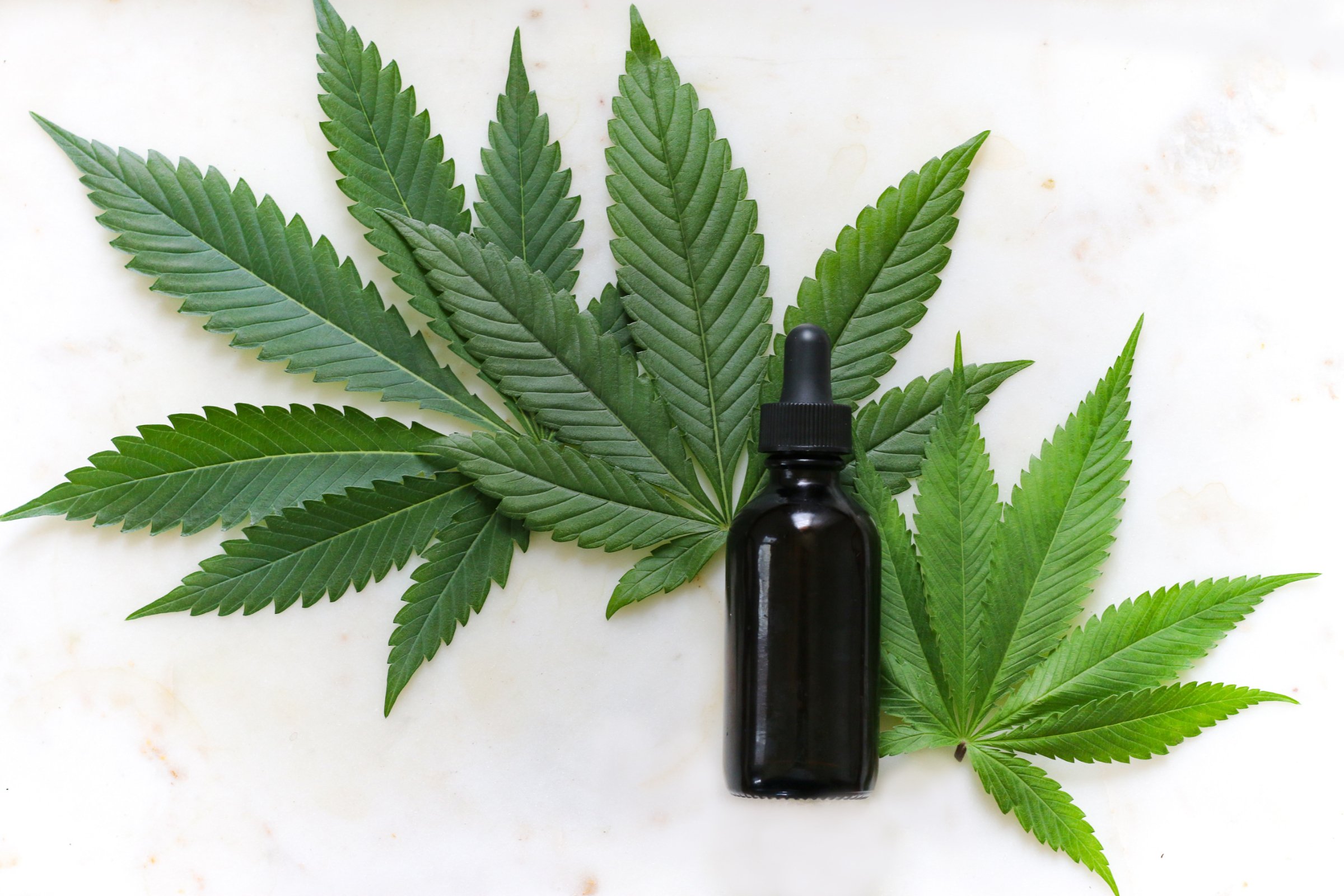
Cannabis Marketing Online: Answers to Common Questions
Legal cannabis is worth roughly $13.6 billion in the United States, growing at about 32 percent year-over-year. Even though federal law treats cannabis as a controlled substance, states continue to legalize its sale and use. As a result, promoting cannabis products (and related products such as CBD oil) online is a murky but a rapidly evolving affair. Major platforms such as Facebook prohibit the advertising of cannabis products for sale but permit Facebook pages and content sharing that falls short of directly offering to sell cannabis. But the tide is changing as Facebook and Google look at loosening their standards to keep pace with state and federal laws. There is just too much potential revenue from cannabis related advertising to remain inflexible.
In light of the progressing world of cannabis promotion online, we’ve published answers to some commonly asked questions about this topic. These are based on our client work with cannabis brands, both retailers and growers:
What’s the most important thing I need to know about online marketing as a cannabis brand?
It’s tempting to dive into the restrictions surrounding cannabis marketing. But one thing cannabis marketing has in common with all other forms of online marketing is this: you need to have a strategy for moving your audience through the marketing funnel. Yes, restrictions exist (and we discuss those below), but those restrictions are manageable.
At the top of the funnel, you can use a variety of tactics to make yourself known to an audience. Those tactics range include a strategy campaign that spans carefully vetted native advertising, social media, programmatic, and display. Once they become a connected audience, you can understand their interests, preferences, and behaviors. This is done through a carefully constructed customer journey and content strategy. When the prospect provides you their contact information (e.g., email), the conversation changes dramatically. For instance, you can market particular products to them.
What are my options for advertising on Google if I’m a cannabis brand?
Google prohibits advertising that promotes cannabis products. Running standard ads on Google promoting cannabis products and their sale will run afoul with Google’s policies creating potential trouble for your brand and likely cause serious damage to your online presence. But the promotion of CBD oil is acceptable so long as the CBD oil does not contain THC. Here are some latest suggested approaches for digitally promoting cannabis/CBD products, per se:
- Create a new Google AdWords account for CBD advertising and your CBD product. account.
- Set your budget and location. Set your campaign type to “Paid Search Ads.”
- Choose keywords and match types based on your product and industry (e.g., CBD and hemp).
- Set your bid per word.
- Write your ad. Avoid promoting your CBD product directly. Use language that suggests the products you offer.
- Have a landing page ready that promotes your CBD product -- without selling it directly. Moreover, don't describe the product with any keywords that are on a platform’s list of disapproved products. So, use descriptors like "hemp oil" instead of "CBD oil” (assuming your product is hemp-derived as opposed to marijuana-derived). Bottom line: avoid “CBD” language. Discuss the benefits of your holistic product. Think in terms of educating your audience, not selling to them.
All that said, promoting CBD products on Google is, at best, a proceed-with-extreme caution scenario. But the rules of engagement are changing rapidly, so stay tuned.
Are there other display networks available besides Google?
Yes. Some platforms are emerging to make advertising available to premium publishers online. They include:
What are the ground rules for promoting cannabis products on social media?
The ground rules are restrictive, and definitely unsympathetic to cannabis and CBD brands. As with Google, major social media networks prohibit promoting the sale of cannabis because federal laws still ban their sale. But cannabis brands are very carefully learning how to find creative workarounds to bolster their social presence nevertheless.
Let’s take a look at Facebook and Instagram given their size.
Only recently has Facebook even allowed cannabis brands to operate pages at all, and even so, under strict guidelines. For example, a cannabis brand’s Facebook page cannot say that a product is for sale, trade, or delivery; ask people to buy a product; or list prices. You cannot show images that depict the sale of cannabis products, and you cannot post anything that instructs people how to grow or sell cannabis.
But brands can post educational content and advocacy content. They can even post images of products so long as there is no suggestion that the products are for sale or delivery.
And for Instagram (which is owned by Facebook)? Well, according to Instagram’s community standards, “buying or selling firearms and illegal or prescription drugs (even if it’s legal in your region) is not allowed.” So forget about selling cannabis products on Instagram given marijuana’s illegal status at the federal level.
As with Facebook, it’s possible for cannabis companies to have accounts so long as they tread carefully. Cannabis brands cannot reference prices, sales, offers, product menus, links to stores, or images of cannabis and cannabis products. So brands have gotten creative by featuring their people or lifestyles in images (as with this example).
Are there any cannabis friendly social sites?
The good news for cannabis companies is that a number of social media sites cater to their customers and welcome their presence. They include:
- Leafwire: “the LinkedIn of cannabis."
- MjLink: with a focus businesses and professionals.
- Duby: known as the largest cannabis social network for consumers.
- Weedable: note that you can create a business profile here.
- CannaSOS: another large cannabis social networks with a focus on consumers.
- WeedCircles: you can create a business profile here, too.
- Reddit: the “front page of the internet.”
What other options do I have for marketing cannabis products online?
You have plenty of tools at your disposal. They include:
-
A robust website optimized for organic search. But refer above on how you describe your products on your landing page.
- A thought-out and well-organized Google My Business listing optimized for search is critical given a GMB page is the biggest signal for local search.
- Influencer outreach with people who are willing to discuss cannabis products on sites such as Instagram (here’s an example).
- Native advertising, or editorial content that is placed in another publication for a fee. The topic may, for instance, discuss the use of CBD oil as therapy for insomnia.
- CBD Affiliate Marketing. Platforms such as DirectCBD, Honest Paws, and CBD Medic, already have their ad networks up and running with receptive audience impressions waiting.
- Content marketing, such as thought leadership on cannabis related topics published on one’s own site.
The major digital marketing platforms have historically stayed very closely aligned with Federal regulatory definitions and classifications. We expect that as federal definitions and regulation relax, Google and Facebook will also relax their own restrictions. When they do, be prepared to select a budget to test on their platforms as soon as possible.
Contact Investis Digital
For more insight, contact Investis Digital. We’re helping cannabis brands build their business.