

How to Maximize Sales Opportunities at Your Next Conference
To get the most out of a conference, trade show or in-person event, you should prepare ahead of time. Part of that preparation being the development of goals and intended outcomes for the event. With proper planning, you can expect better outcomes from all your efforts.
Below we’ll discuss some of the things you should be doing before, during and after an event or conference to maximize your sales opportunities. Highlight the items that appeal to you and put together a plan for success.
What to Do Before the Event
Before we get started, it’s important that you ask yourself a few questions to understand what you want to get out of the event. Here is a list of questions that should be answered as you prepare:
- What are your goals for the event?
- Is the goal to network and meet a lot of people or to capture leads and sell?
- Or, is the goal to connect with a specific person or company intending to sell to them?
- What category of clients are you looking for?
- Can you identify them prior to the event?
- Are you auditing the presentations at the conference primarily or focusing on acquiring new clients?
- Who’s going to be at the conference that you want to connect with? Create a “priority wish list” of people you’d like to meet at the event
- What members of your team will be traveling to the event?
In most cases, you will not be able to get the full list of attendees prior to the event. But, you can do some research that can help you find out who’s going to be there:
- Follow the conference hashtag on Twitter and look for related LinkedIn posts
- Look for the list of speakers as they may be someone you want to connect with
- Post on Twitter and LinkedIn at least 2 weeks prior to the event, letting your followers know you will be attending and asking if anyone wants to meet up in person.
If you have identified companies and people that you want to connect with, you can research them, their areas of expertise, and prepare a list of discovery questions in advance. This kind of preparation is necessary if you want to impress your potential clients, it also makes meetings richer as you will have a plan and talk track for the conversation. When developing your questions, use open ended questions so you can listen more and talk less.
Build Relationships Before the Conference
Prior to the conference, connect with your target audience using social media through use of the event hashtag or through groups located in the event city. To be effective, it’s a good idea to engage with people on social media before the conference starts and then tweet during the event (#eventname) as well.
Before you go to the conference, connect with attendees on social media using the event hashtag.
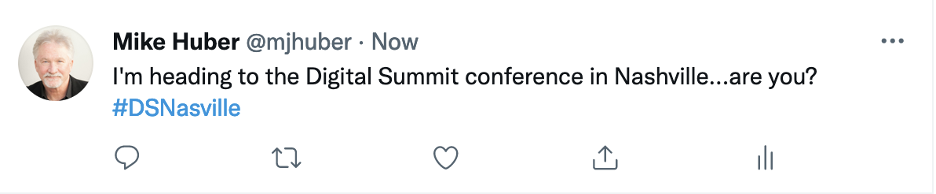
Twitter and LinkedIn are the best channels to use for testing the waters of a conference or event. Joining in the event discussions can give you a sense of who will be there and what the focus of conversations will be around. You can also use social media to:
- Monitor the event hashtag in the days and weeks leading up to the event.
- Join an associated group and spend some time there participating in the discussions and messaging people you want to connect with.
- Engage with those that are posting by commenting on their posts and/or asking them to clarify or explain in more detail about their posts. Don’t just ‘like’ their posts, make sure you comment and/or share with others in your network.
Plan your own event in conjunction with the conference
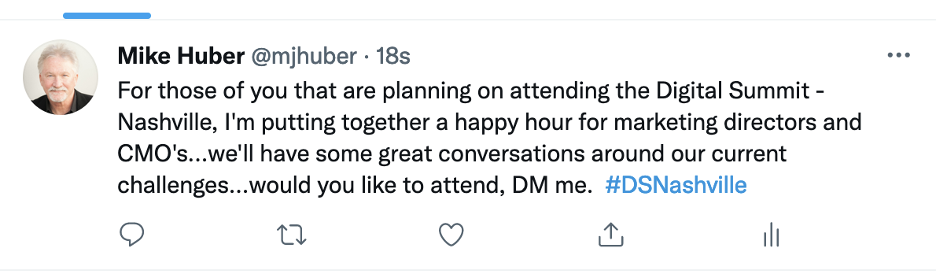
If you have a robust budget and several people attending the event, set up private meetings ancillary to the event. For example, you could set up a dinner or a happy hour and invite your targets through social media.
Write and memorize your elevator pitch
Expect to be asked “What do you do?” an average of 15 million times at whatever event you’re attending and make sure you have a good, solid answer. You can do that by preparing ahead for what you know will be asked.
There are four things that make a good elevator pitch:
- Brevity
- Conciseness
- Descriptiveness
- Emotion
A conference is a good place to ‘test’ your elevator pitch to see if it resonates with your audience. Explain what you do, in the simplest terms possible, and demonstrate why what you do matters. A story or an example (case study) to accompany that explanation allows your answer to ‘stick’ into the recipient’s mind. You can adapt your story or case study based on the person that you’re talking with and the business that they are in.
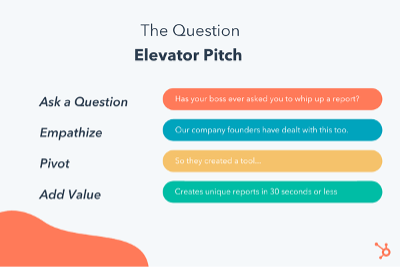
HubSpot has a great post, which includes several examples, on how to develop an elevator pitch. This example of a ‘question’ pitch is just one of the ones they recommend.
Source: HubSpot
Plan how you will start conversations
Think through some questions that you can use during the networking events. Scripted questions might seem a bit contrived but thinking through these before the event allows you to direct conversations. Plus, because you’ve written them down and practiced them, they will flow easily in conversation.
Here are a couple conversation starters you might consider:
- What did you think of that last presentation?
- Hi, I’m [your name]! I don’t think we’ve met yet.
- How did you learn about this event?
- What presentations made you decide to come?
- What other sessions are you planning to attend?
- I thought [name of session] looked interesting.
- What has been your favorite session so far?
Determine targets by category
What is your company focus? Before the event, you’ll want to organize your activities and who you plan to talk to around the business categories that are most aligned with your services and products. This will help you maximize your time with the people that matter most to your business.
Here is a short list of categories that you might be focused on:
- Restaurants
- E-commerce
- Higher Education
- Senior Living
For an extensive list of business categories from Chamber Dashboard, click here.
Research contacts
Once you’ve been able to contact an attendee that you’d like to meet, start doing some research. This research will allow you to ask great questions and position your products and/or services based on what you’ve found.
At Investis Digital, we create landing pages to help set us apart from others. They are specific to the potential clients we are meeting and contain information from our research. We also add video to the landing pages to give the contact a visual of who we are. The video also helps with that initial in-person meeting as your contact will already know what you look and sound like.
A checklist for presenters
If you happen to be a presenter at the conference you’re attending, take a look at this checklist before taking the stage:
-
Identify speaker and +1 (others that will attend with your speaker)
-
Update presentation deck with your Twitter and LinkedIn handles
-
Include a download link in your presentation and other resources for your audience
-
Create a landing page with a form fill so you can track who is downloading. Use this list for a specific follow-on lead nurture workflow
-
Upload your presentation deck on deadline
-
Save your presentation to a memory stick in case there is a problem with your upload
-
Run through the entire presentation to double check builds and transitions
-
Set your out of office reply
-
Schedule timed tweets and LinkedIn posts to coincide with the slides you are presenting
-
Secure business cards and bring them with you
-
Bring your power strips for your computer, phone, and other electronic devices
-
Save your presentation on a memory stick in case there are technology issues
What to Do During the Event
Now that we’ve gone over how to prepare for the event, it’s time for the real thing. While you’re there, make sure to:
- Take photos with other attendees for easy social media posting
- Audit the presentations you see and compare their slides, content, and presentation quality against what you are presenting. It’s great to have a benchmark on the quality of your content vs. the competition. Make sure you upgrade your content if it is inferior to the competition
- Attend networking events and meet as many people as you can. This is your one chance to have an in-person meeting with potential clients. Make sure to have business cards with you during the networking events
- Set up meetings with people that you’ve just met
- Send out emails acknowledging your meetings and thank the recipient for taking the time to talk
- Never eat alone. Eat lunch with others as they are generally looking for others to talk with about the event. Lunch conversations are generally casual and relaxed, allowing you to start developing a relationship
Create and publish content while at the conference
Depending on your resources, you can write about the event, interview speakers, shoot video interviews and take b-roll video while also nurturing relationships. The attendees are already sharing content throughout the event so, if you can publish during the event, you have a good chance of the content trending and reaching many of the attendees before others can publish theirs.
After the event, you can also use the content in blog posts as a recap of the event getting even more reach.
What to Do After the Event
Create a video recap of the event to send to all the people that have downloaded any of your content. You should also embed the deck in your ‘bundle’ and other resources so they can share internally. To stay top-of-mind with potential clients:
- Follow up with all the people that you’ve met, include custom landing pages if you have the resources to create them
- Schedule meetings where attendees have agreed to talk post-conference
- Write a blog post about the event and include social media handles of those that you talked with and posed in photos with. Embed any video that you’ve produced. Create the content with ‘sharing’ in mind. Make it easy for readers to tweet and/or share the content through their social media channels
Conclusion
This is a great time to return to in-person events. It’s also a great time to consider your goals and expected outcomes so you can get the best value for your time and budget.
Think through all the things you can do pre, during and post. Use the examples from this article and any others that come to mind as your plan for your conference success.
We have a saying…it only takes one. With proper planning and execution at conferences, you should be able to sell at least one prospect.
Want to stay up-to-date on the top upcoming digital marketing conferences for 2021 and beyond? Click here.
Learn more about Investis Digital and our approach to digital marketing, here. You’ll also find other great resources focused on digital marketing.