

Using Influencer Marketing Throughout the Digital Buyer's Journey
Influence, defined by Oxford Dictionaries is “the capacity to have an effect on the character, development, or behavior of someone or something, or the effect itself.” Influence is a powerful thing—it’s the ability to cause an action, to spur a movement or to shape an opinion. In today’s digital space, influence holds an even more integral role in marketing than ever before.
Influence is one of the most powerful tools in a marketer’s toolbox, but it’s also the hardest to attain and the hardest to predict. There is no “secret sauce” to uncovering what the next influential individual, campaign, or group will be. Despite the ever-changing nature of influence, marketers can build trust and resonance with those individuals who have already built influence in their niche. And, they should!
There isn’t just one way or one time to use influencer marketing, as there are multiple stages and touchpoints at each stage of consumers’ decision making processes. Using influencer marketing at each stage of the journey creates a more holistic content amplification approach. Which is why I’d like to detail how, why and when you should use influencer marketing through the buyers journey—and (spoiler alert) there are some fantastic insights and quotes from leaders in the influencer marketing space below.
Awareness
Influencer marketing at the awareness stage is just the tip of the iceberg, but it remains an important part of your influencer marketing strategy. This stage is aimed at increasing brand awareness and engagement, and creating buzz around your brand. Doing this is no easy feat, it requires the right content, distributed in the right way, to the right audience in an engaging way for that audience. Content created at the awareness stage should work to entertain, inspire research and connect emotionally.
As an example of this strategy, Shane Barker writes about collaborations with Lynda.com, Audible and Loot Crates’ and popular YouTube influencers. Let’s take a deeper look at the one of the campaigns Barker writes of: Jack’s Films collaboration with Lynda.com.
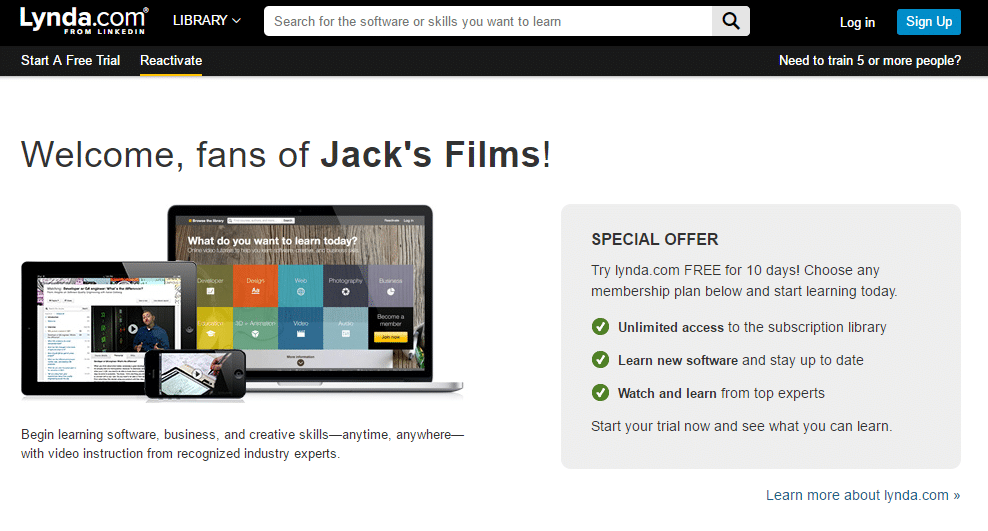
Lynda.com partnered with someone know for creating extremely engaging, entertaining content, Jack Douglass, and offered an exclusive trial for his followers. Jack then challenged his fans to use that trail to learn a new skill, create something and then submit their creations to him. The results as featured in his video below are hilarious—but they also function to raise awareness for Lynda.com. All while not feeling like marketing, or a sales pitch.
The influencer should authentically connect with their audience to entertain, offer exclusive deals and promote awareness through word of mouth referral from their trusted voice. YouTube, while popular among influence marketers, isn’t the only avenue that can be explored for this type of content.
Awareness-Stage Influencer Marketing Tactics to Try:
- Sponsor content on influencers’ sites that is relevant to their audience
- Sponsor social media posts on influencers’ social channels
- Create an advocacy program aimed at encouraging current customers to share your brand
- Giveaway products or services to spur brand recognition and loyalty
- Allow a thought leader, or influential person in your field to “takeover” one of your social channels for a day
The list above isn’t conclusive, by any means! Think about what’s right for your audience at the awareness stage—they may differ than the above.
Consideration
Now that customers are aware of your brand or the problems that your brand solves, they may be starting to do some research. It’s possible that they are reconnecting with your content across multiple channels and formats—your social content, your website content or content by other publications in the industry. Consideration-stage content aims to educate and help customers; it is often specific, detailed and answers questions. This isn’t entirely about you, or your specific products services or offerings yet.
The customer might be aware of your specific offerings, but they aren’t bought in—they’re considering how to solve a problem, not which brand to choose. This makes building cross-channel influence an effective strategy for engaging with consideration-stage customers.
For example, a webinar series featuring influencers in your industry who offer insight to your audience on their area of expertise can make a great way to deliver consideration stage content. Investis Digital frequently hosts webinars like this, with various influencers in the digital marketing space.
If you’re asking “why create this kind of content?” or “wouldn’t I be better off having my internal experts create this content?” Consider these two things:
- This is a mutually beneficial relationship—it allows the influencer to tap into your audience, while also helping you fill gaps in your content and reach new audiences.
- If your audience isn’t getting that information from you, they’re getting it from someone else. If they’re on your site you’ve already won.
Consideration Stage Influencer Marketing Tactics to Try:
- Collaborate with and influencer on content, co-create, and curate content with your influencers
- Write guest contributions for leading publications in your industry
- Hold a Twitter chat featuring an influencer and let followers ask them questions
- Host webinars with influencers
- Integrate influencer efforts with ongoing social media management
- Have influencers share your content via social channels
- Actively send your content to influencers that may find it interesting
- Allow influencers to contribute to your blog or site
Decision
Now is when you can start talking about your products or services more.
Decision-stage content aims to create urgency, promote, or establish value for your brands offerings; it can also help reassure customers to trust your brand over others.
Social proof is a phenomenon where we base our behavior or preference on what seems to be preferred by most, we tend to lean towards the social norm—and when it comes to digital influence, it therefore becomes essential to have a social footprint. Influencer marketing can help build this social footprint and boost visibility and engagement of your content. Andy Crestodina elaborates on endorsements as the perfect example of a decision stage tactic that can increase conversion rates:
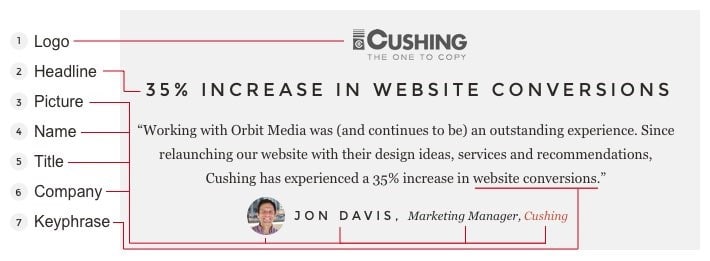
Image source: Orbit Media
Decision Stage Influencer Marketing Tactics to Try:
- Offer exclusive discounts and incentives to your influencer’s followers
- Ask for testimonials from your current customers
- Sponsor reviews of your product or service
- Seek endorsements for your products/services
- Create a program around getting more reviews or ratings
- Focus on social strategy to build a following
Nurture
Nurturing leads or current customers is an often-overlooked stage of influencer marketing—but can be most powerful. Those who have been engaged with your content for some time. The role of content at the nurture stage of influencer marketing is to incentivize or reward your customers or prospective customers.
The goal is to keep both those who are already customers and those who are not already customers interested and engaged with your brand and content.
Take for example, TurboTax’s refer a friend program. They make it easy to share, and incentivize their users to refer others, while also adding appeal for the recipient of that referral.
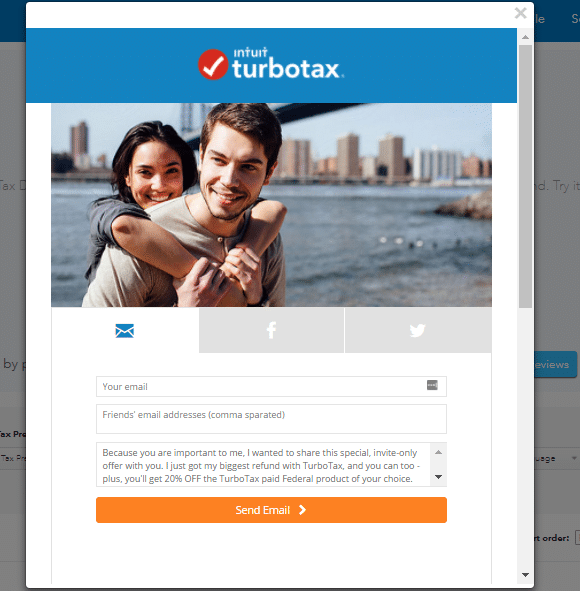
If the referred friend does their taxes through TurboTax based on your recommendation you get a $10 Amazon card and they get 20% off on their taxes. Win, win! This is a great way to build brand advocacy, while also increasing trust with new users. Don’t forget that your current users, subscribers or advocates can very easily become influencers for your brand.
Nurture Stage Influencer Marketing Tactics to Try:
- Loyalty & advocacy programs
- Run a giveaway or contest for your current followers/fans
- Highlight a brand advocate or fan
- Create separate lead nurture programs for your fans and influencers to stay engaged
- Send gifts to your top customers/fans or brand advocates
Insightful Quotes from Influencer Marketing Leaders
We asked some industry leaders to provide insight on how they are addressing influencer marketing at each stage of the buyer’s journey. Here’s what they had to say!
"Influencer marketing can be a major growth engine, but it requires a new mindset. Too often marketers end up disappointed with their results because they view it as a controllable ad platform that will deliver PPC-like results. To get the most out of your influencer marketing efforts, understand the value across the entire funnel and understand what’s in it for the influencer before you ever ask for anything. Do this well and you can leverage your relationships to build significant long-term business value." Paul May, Co-founder/CEO, Buzzstream
"Consumers don't want to listen to brands - they want to hear from each other. Think collaborating with influencers on live video content to stimulate consideration, buy buttons in Facebook messenger and shoppable Instagram tags for conversion, user-generated social content to keep customers in the loyalty loop and beyond." Maddie Raedts, Co-founder & Creative Director, IMA (Influencer Marketing Agency)
"Real influence cannot be bought. It must be earned. Millennials see right through traditional sponsorships. They can sniff B.S. a mile away. Authenticity is key when attempting to reach this group with a brand message." Dan Ripoll, Co-founder & CEO, Content BLVD
“When brands partner with influencers who are key opinion leaders, they benefit not just from exposure, but targeted access to an audience that’s engaged and interested…Just like you would act on a recommendation from a friend, influencers hold credibility with their followers—and more importantly—their trust. The result is that unlike traditional channels, the audience remembers, and has a positive opinion about their engagement with the brand.” Gil Eyal, CEO, HYPR
"While it can be tricky to find the perfect influencer, a targeted creator will have an audience that drives immediate conversions, installs or downloads. Brands that are able to master partnerships with influencers for direct response campaigns often find that it quickly becomes one of the easiest channels to scale, and consistently delivers users that have a higher LTV and Lower CAC than virtually any other paid channel.” Jesse Leimgruber, CEO, NeoReach
"One of the best ways to optimize the buyer's journey is to offer social proof at each stage of the sales funnel. There's no better social proof than having it come from influencers. Awareness is the most obvious stage for influencer marketing, but we've found providing influencer videos during the consideration and decision stages to be valuable as well. After the sale, and in the nurturing phase, we like to collaborate with influencers to demonstrate how to maximize the utility of the product or service and send that content to our client's user base. It's an unexpected gift that helps with customer retention." Mark Fidelman, Managing Partner, Fanatics Media