The Google Search Algorithm Evolution of 2017
By the time you finish reading this article, Google will have updated their search algorithm.
OK, it’s not that fast, but it relays the point that Google is always keeping us on our toes.
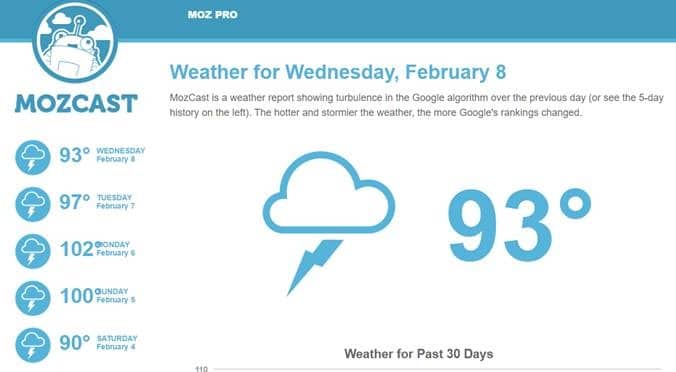
Just recently, the MozCast showed turbulence in the Google algorithm that many in the SEO community suspected was a search update (the first line in the article even mentions that the week prior to this update, there were reports of a different update!). The Google search algorithm is an ever-moving target. These last few reported updates are considered minor but when the “big one” hit like it did in September 2016 with Penguin 4.0, then you have to be on top of your game.
The Google Landscape at the end of 2016
We left 2016 behind on the heels of a major algorithm update that changed the way we view backlinks. That was Penguin 4.0 and it will be the final iteration of that update, with no Penguin 5.0. This latest update has loosened the reins for SEOs and digital marketers when it comes to backlinks. The Google Penguin algorithm update was initially created in order to penalize websites that manipulated backlinks, causing Google to consider those sites to be unnatural.
There have been minor updates to the original Penguin in prior years, but this last one was a doozy. Google will now devalue bad backlinks, unlike in the past where your site might have been penalized. Almost like the backlink was never there. This is great for anyone who had to perform a backlink audit and just happened to have one bad backlink slip through the cracks.
Penguin is now in real time. This means that if your site was penalized, you may not have fully recovered until the next Penguin update. Those updates sometimes took months to happen, leaving you in limbo. Now all it takes is for Google to recrawl your page. This final Penguin update will focus more on the page level, so instead of your entire site being at fault for a bad backlink, it will only hurt specific page(s).
The 2017 Google Search Algorithm So Far
Only 10 days into the 2017, and we were hit with an update that targets mobile websites with intrusive pop-ups or interstitials. As both a consumer and an SEO – we're all in with this change. Why didn’t they think of this sooner?! After all, there’s the right way to do a pop-up and there’s the wrong way to do one because no one likes pop-ups that take up the whole screen. Google finally recognized that the bad way lessens the user experience and happens on low-quality pages. The Intrusive Interstitial Penalty points to Google’s growing focus on the mobile search experience.
The Growing Trend Towards Mobile
At the end of 2016, Google announced they were experimenting with mobile-first indexing. This means Google will soon primarily get their data from mobile sites as opposed to from desktop data, which was their main source in past years.
To pile on the mobile trend, accelerated mobile pages (AMP) were created to provide a fast way to get the content to the searcher. It has now become noticeably prevalent in the Google search results page. There hasn’t been an official announcement, but the SEO trends for 2017 all point towards a mobile friendly Google search algorithm.
What does this all mean for you and your website?
- Ensure your site is mobile friendly to future proof against algorithm changes this year
- Using a responsive web design for your site is recommended by Google
- Create accelerated mobile pages for your site
- Make sure to serve the same content on your mobile that you would serve on desktop
- Avoid using aggressive pop-ups or interstitials that might damage the mobile user experience (You’re going to have to find another way to get me to sign up for your newsletter)
What We Can Expect in 2017
This leads us back to 2017 and what we think Google has in store for us. The reins were loosened on backlinks thanks to Penguin 4.0, but we don’t know for how long. Google has said they are not planning on announcing any new updates to their Penguin algorithm, but I would expect them to eventually tighten up the reins again. People in the SEO community will see how far they can test the limits, which will eventually lead Google towards placing more control on the issue.
AMP and Structured Data Will Rise in Prominence
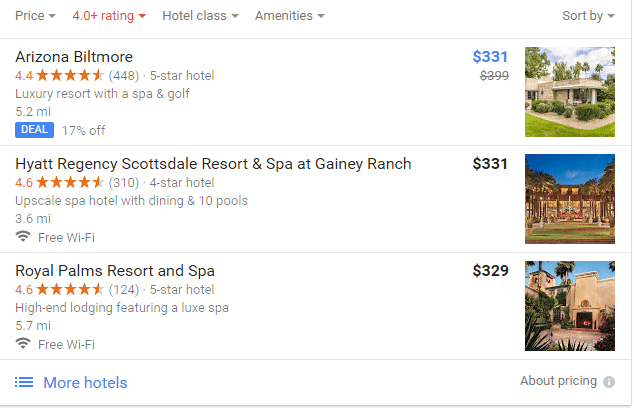
We can certainly expect more updates that emphasize a positive mobile experience for Google users. We suspect it’s going to expand the use of AMP and place greater importance on those pages. Also, the growing trend is to enhance the search results page with search features that include carousels, rich cards, knowledge graphs, and answer boxes. With Google favoring these types of search results, this will place more emphasis on adding structured data. Google keeps adding more types of rich cards and if you have a website that applies, you’ll want to mark up your site. In 2017, your goal could be to rely less on ranking #1 and more on showing up in other search feature areas on page 1.
Fake News Sites Will Be Targeted
There has been a surge of fake news sites lately and Google had to remove 200 sites for promoting misrepresentative content from its ad network. Facebook is doing the same. Removing these publishers from the ad network is only the first step. If this continues, I would expect to see a new Panda update that targets fake news site as low quality websites.
Paid Will Continue to Shift the SERPs
The other side of the search algorithm is paid search advertising. Google AdWords now takes the top four spots, when it used to only be the top three spots, further pushing down organic search results. At this rate, organic search results will soon be pushed to page two. Ok, we're being dramatic again, but if that ever happens we predict the end of Google and rise of Bing.

Being #1 on Google is now less visible, and we all will need to adapt or risk losing out on valuable organic traffic. Google will continue to add new features for their advertisers to entice the searcher to click on their ad, lessening the need for people to scroll down to find the organic search results. Google gets most its revenue from AdWords, so expect them to keep adding features and manipulating the search results page to do what’s best to drive paid clicks.
How to Focus your 2017 SEO Efforts
Keeping up with Google sounds exhausting but if you keep at the fundamentals, your site will thrive. In the end, Google just wants to give the searcher what they’re looking for. It's just good business. This means creating quality content that searchers are looking for. This is the best advice we can give you on future-proofing your SEO because it all comes back to that. In all honesty, the only Google update we're really looking forward to is when that Google self-driving car comes out.