

Why Meta Is Courting Content Creators
Content creators have been drawing attention for the past decade-plus, but it’s the attendant economy that’s been exploding of late. Companies like Meta understand the value of building relationship with creators; what can we learn from their recent moves?
The Creator Economy
According to US Screen, the creator economy is something of a gold mine, with an estimated value of more than $100 billion. Creators skew young (63 percent are Gen Zers), and although only four million (about eight percent of the 50 million creators worldwide) are considered “professional,” the group is gaining increased traction with consumers. For example, 15 percent of consumers currently subscribe to a creator’s membership site; that’s an eight percent jump since the beginning of 2021. Finally, the relationship between consumers and creators isn’t a passive one: Statista reports that a whopping 78 percent of consumers have discovered a new product when engaging with creator videos.
The takeaway here? Businesses and creators might go together as well as red beans and rice.
Meta Moves
Meta, parent company to Facebook and Instagram, certainly seems to think so. They aren’t the forerunner in this arena: as early as 2007, YouTube was pioneering a Partner Program that brought ads and creators together. If a creator met the criteria to join up, they could incorporate ads into their videos. They still can, with YouTube netting 55 percent of the ad revenue, and creators keeping their 45 percent share.
The success of the program hasn’t escaped Meta’s notice, and they are making a run at their own take. The company’s own Meta for Creators site acts as a resource for creators to learn about various programs and tools that Meta has designed to help creators monetize their content. And Meta has rolled out a number of programs to help creators prosper. For instance, Meta recently shared a bunch of goodies for creators to use, such new endorsement notifications to support fellow creators, new templates to help recognize top fans, restricted posts for subscribers and more (read about all that here).
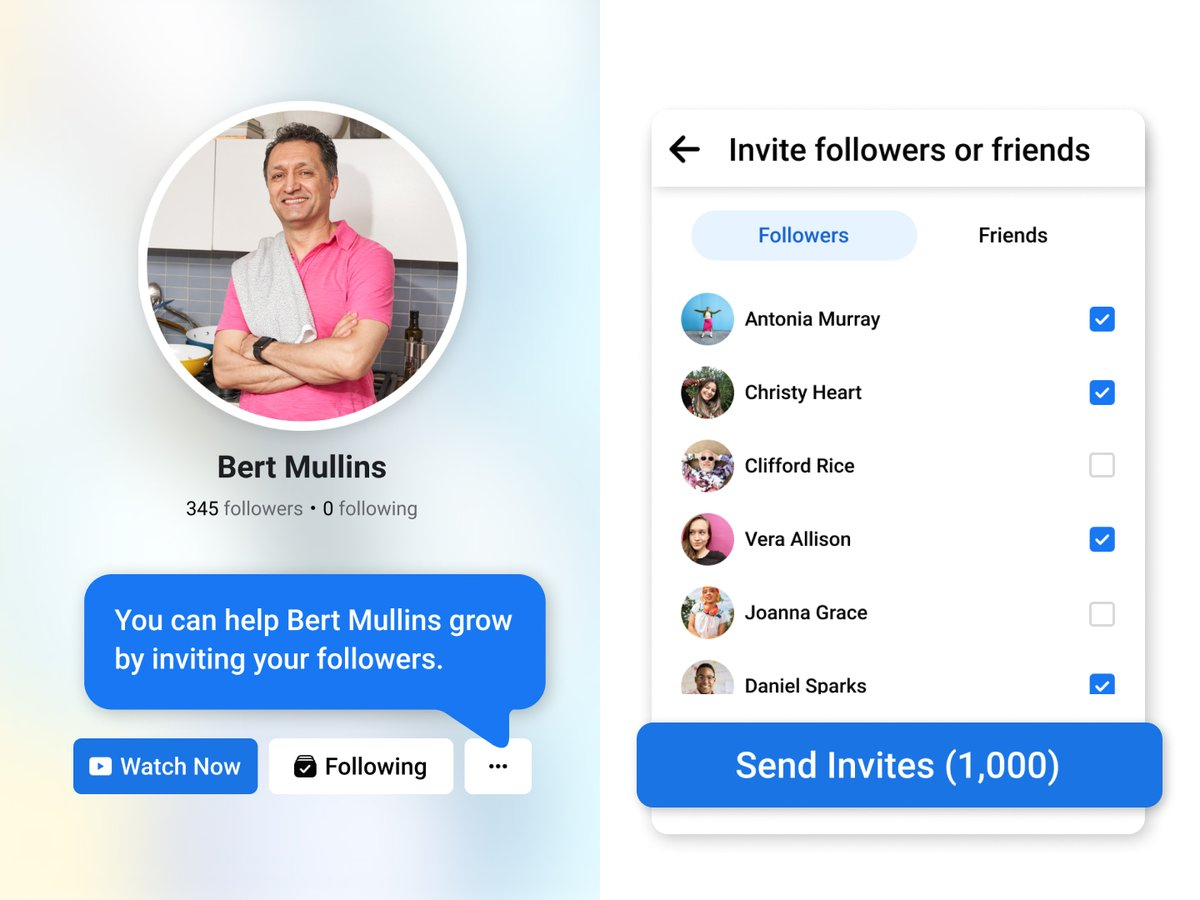
In addition, Meta has been launching new tools for advertisers and creators to collaborate. Meta’s Reels Play bonus program, which concentrates on the Instagram Reels feature that can also be shared on Facebook, is meant to expand the ways in which creators can build community and generate revenue. Overlay Ads (banners and stickers) give creators a way to incorporate ads right into their reel. Currently, Overlay Ads are being tested by creators in the United States, Canada, and Mexico; the plan is to expand the reach to all countries where in-stream ads are available by mid-March 2023. And perhaps in a bid to outshine YouTube, Meta has announced that creators will keep 55 percent of advertising revenues, with the company taking the remaining 45 percent.
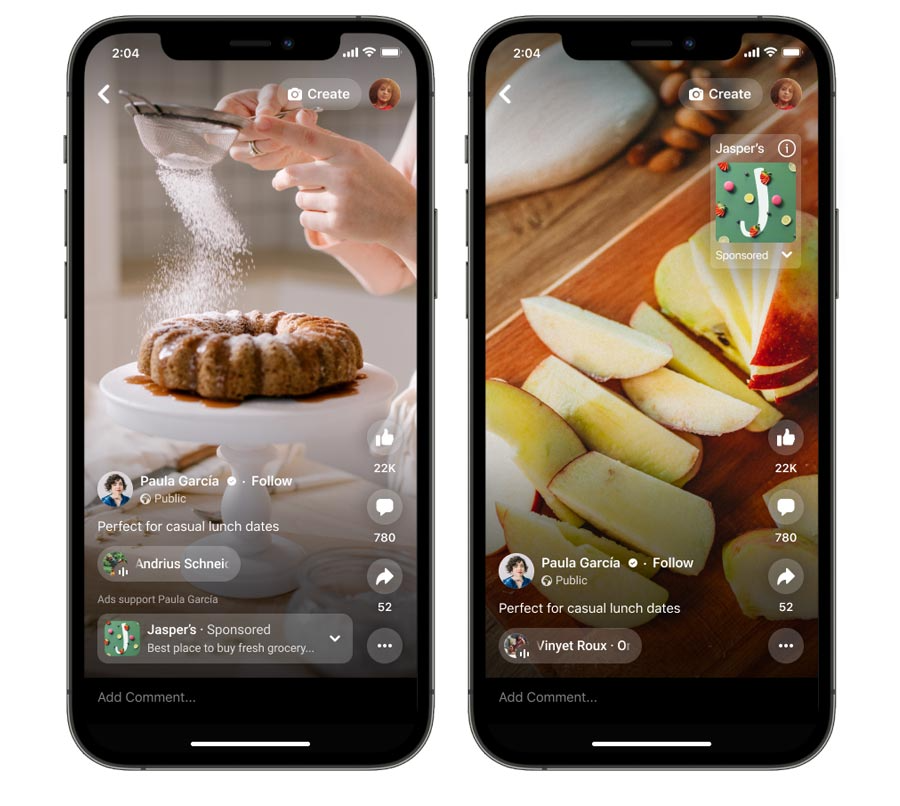
The strategy is a savvy one. If Reels creators start making more money from their participation, they may be encouraged to stay with Meta. And if they stick around, their audience may stay loyal to Meta, as well. Will this staunch the flow of users that have been kicking Meta to the curb and defecting to platforms like TikTok? Meta certainly hopes so.
What This Means
What does all this mean for your brand? Does collaborating with a creator on a platform like Reels make sense? A few things to consider:
- What is your desired audience demographic? If you’re trying to connect with Gen Z and already have a viable presence on TikTok, maybe Meta’s new formats don’t matter so much; you may already be covering those bases. But if you are trying to get some traction with a different demographic, Meta’s relatively older audience (at least as compared to TikTok) may prove useful.
- What is your appetite for risk? Meta’s bid to play catch-up might well take off with creators and their followers, resulting in a solid alternative to TikTok. It could also backfire if the bevy of ad formats results in a cluttered experience users deign to avoid. Early adopters can get in on the ground floor and reap tremendous benefits; they may also, alternatively, serve as a cautionary tale. Embracing Meta’s new offerings represents a calculated gamble; does that gamble make sense for you?
In short, evaluate the ad products against your brand’s needs, think about your audience, and consider the risks involved.
Contact IDX
At IDX, we help businesses build trust on multiple platforms all the time by creating content that engages audiences ranging from investors to customers to job seekers. Click here to learn more about our social media services or contact us to speak with an expert.