

Why Online Learning Defines the Education Agenda in 2021
The education industry has changed forever. As colleges and universities gear up for their spring semesters, they’re adapting to the rapid and sudden change in the way students learn. The COVID-19 pandemic has upended the traditional approach of students living in dorm rooms on leafy campuses and heading off to august buildings to learn with other students and professors. Now, they’re either learning remotely or adopting a model in which they live on campus but take a mix of in-person and online classes. But the hybrid model is, at best, a work in progress. Many parents are not happy paying room and board for an experience that requires students to live in lockdown. In this context, colleges and universities that offer completely remote alternatives are on the rise.
As Jake Perez, a LinkedIn News editor, wrote recently:
As coronavirus outbreaks push many of us online, interest and demand for virtual learning is booming, signaling a potential “turning point for the acceptance of virtual degrees.” Enrollments have exploded, and virtual degree programs have benefited from existing tools to provide robust, engaging experiences. Meanwhile, brick-and-mortar universities are scrambling to catch up as the pandemic blurs the line between remote and previously-in-person learning.
Indeed, a recently published BBC article discusses the rise of online during and beyond the pandemic. The article shares a number of examples, including the case of an American student who is earning a bachelor’s degree in computer science at the University of London – from the comfort of his own home in New Jersey, at half the cost of a U.S. program. The article points out that since mid-March, online-learning platform Coursera has seen an incredible boost to people registering for its services.
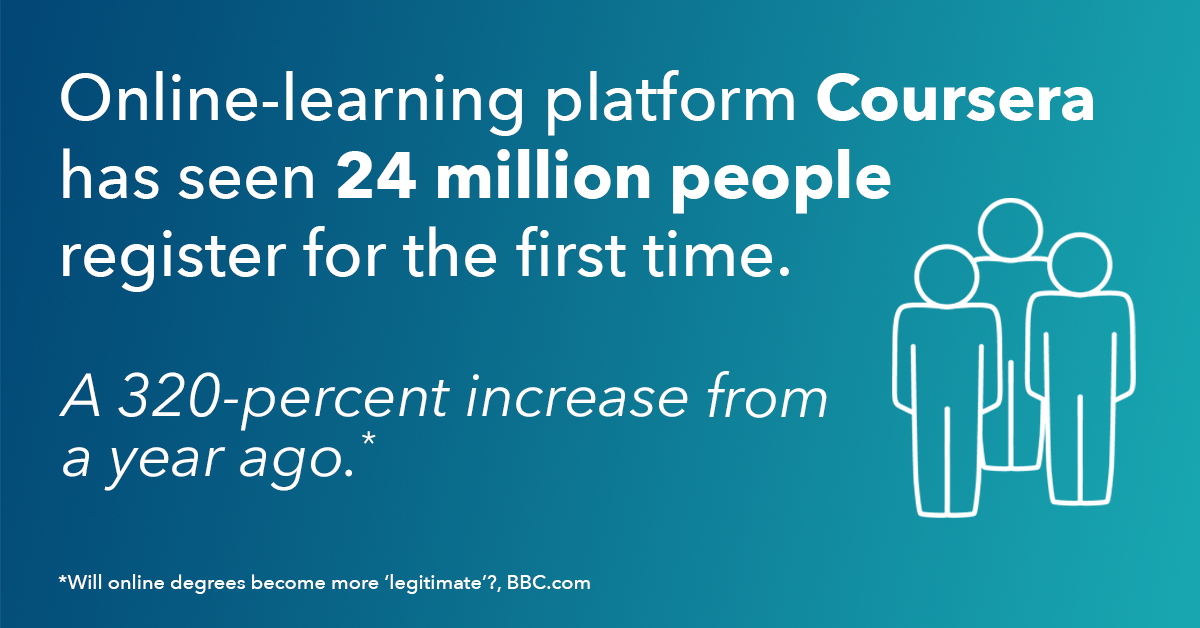
The rise of e-learning technology providers is a good indication that remote learning is going to become even more popular. For example, Chegg, which provides an online learning platform, posted record growth exceeding 60 percent in its last two quarters, up from 30 percent quarterly growth it recorded in the past. CEO Dan Rosensweig recently told CNBC, “When the pandemic is over, we don’t expect growth to significantly slow because this is not just the trend, this is what it’s going to be and this is what it has to be,” he told CNBC.
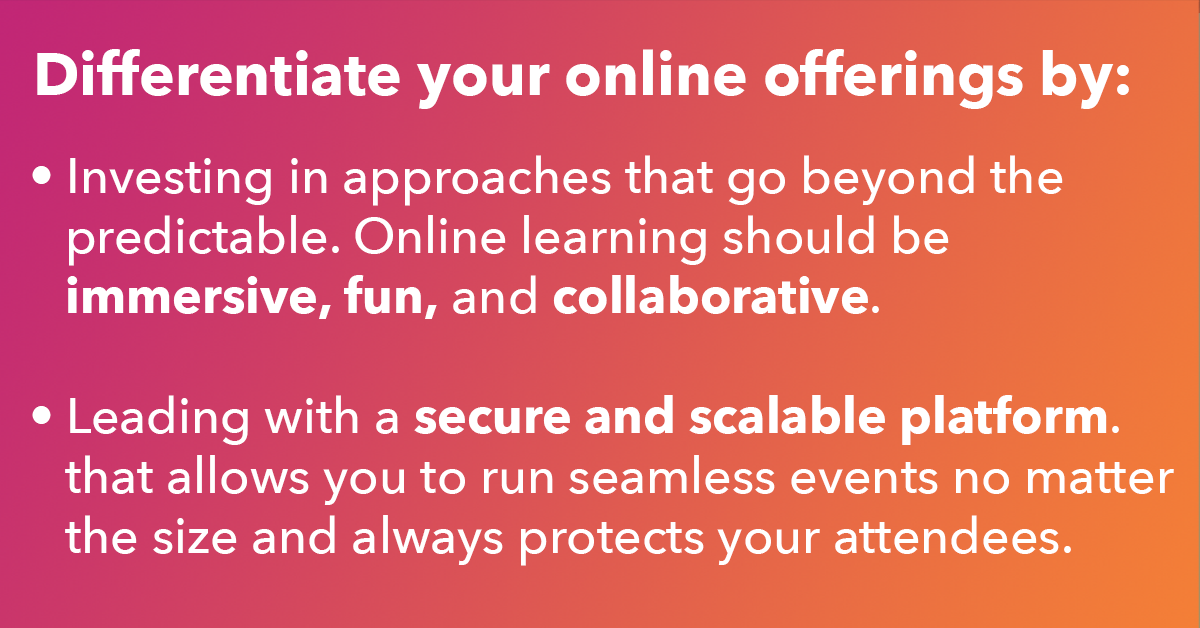
But educators can’t activate online learning with the flip of a switch. They need to think strategically about a comprehensive marketing and communications approach to raise awareness for their online learning offerings and to differentiate them as this space becomes more crowded.
At IDX, we’ve helped a number of colleges and universities build successful online learning programs. For more insight, read our recently published The ConnectedContent™ Guide to Online Education. This eBook shares lessons learned from the leading online educators (among them our clients). We show how the leaders create and amplify content for a digital-first world. Check it out, and let us know what you think.