
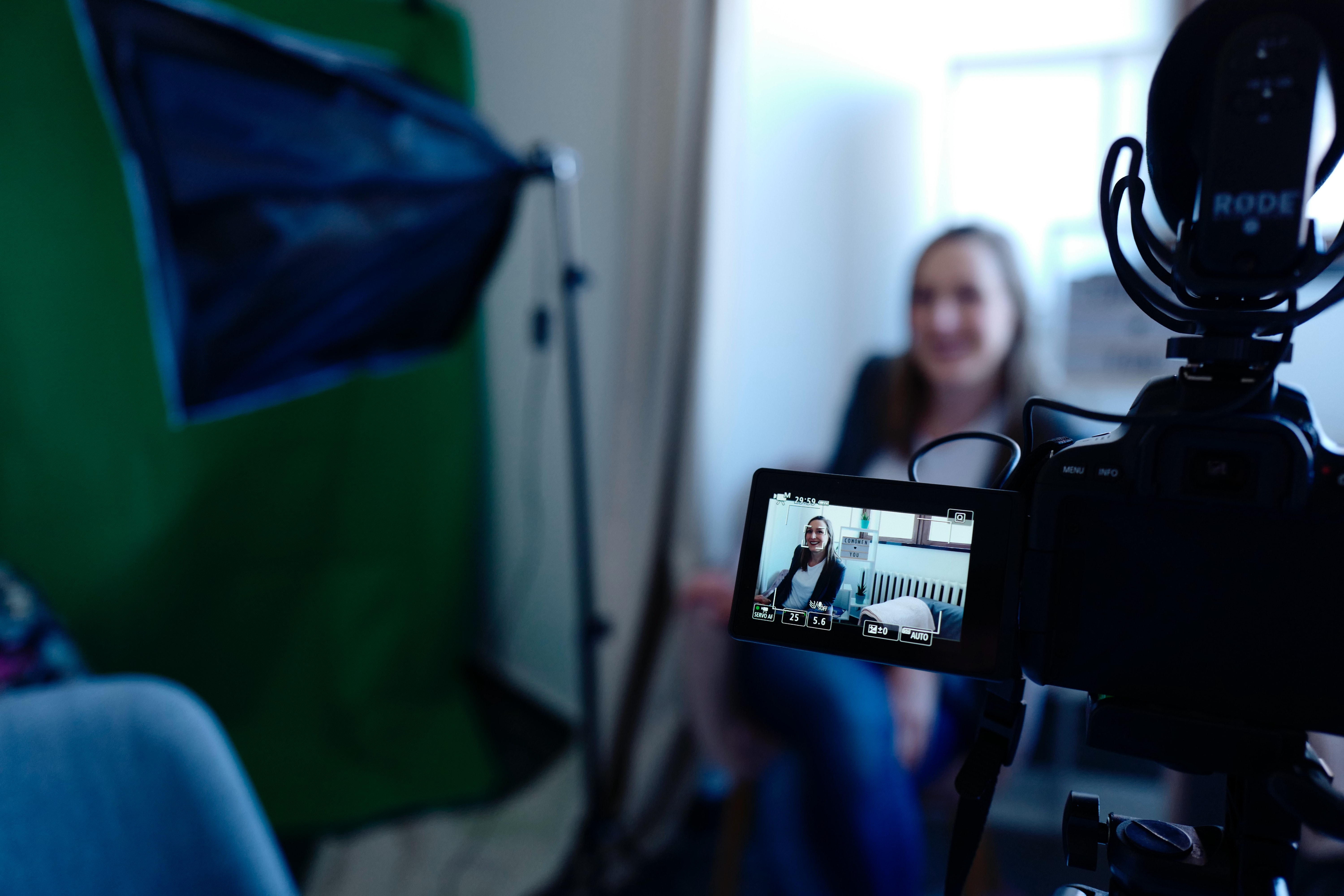
Why the Right Format Can Make or Break Your Virtual Event
I recently blogged about the importance of planning content effectively for your virtual event. It is also critical that you consider the right format to maximize the value of your content. In 2020, many businesses that took their physical events online learned a valuable lesson: don’t “Zoom” your event. In other words, don’t choose a simple platform for an entire event just because it works well for handling a 30-minute meeting.
Ideas for Formats
First off, keep in mind ideas for different ways to present content because these approaches can have an impact on the kind of technology you will need for your event:
- Single presenter: one person presents the content via a slide deck.
- Dual presenter: same concept but with two speakers.
- Panel: host a number of subject matter experts who tackle a specific topic.
- Q&A: this format, in which an expert or panel of experts answers questions, may ensure a more engaged audience. Some of these questions can be put together by the organizer while new questions are posed to the panel via the event presentation platform. If you run out of time before you can answer all the questions, you can do follow up via email.
- Interview: the host can interview a subject matter expert or guest speaker.
- Product demo: this presentation is a bit different, as it assumes the audience is further down the sales funnel or customer journey. Product demos can be very effective in converting the audience into a customer.
As you plan your format, consider also the length of the event. That’s because length and format go hand in hand. Thirty minutes is a popular length, and if you plan to have a longer event, you’ve got to have a very compelling reason and ways to keep your audience engaged throughout. The longer the event, the greater risk of audience drop-off.
In addition, you’ll want to consider your medium, ranging from PowerPoint to video (single presenter) and multiple videos (multiple presenters). There are many platforms to choose from, and it will take some time finding the one that meets your needs and is within your budget.
Don’t Cut Corners
You might be tempted to choose a free platform or app — and there are many proliferating today. But a free app just won’t cut it when your entire reputation is on the line.
We strongly recommend using a secure, professional platform. For example, the Investis Digital Connect.ID Virtual Event Platform is a packaged, scalable, and secure solution to support virtual events. The solution can be configured in as little as two weeks. (The Connect.ID Virtual Events Platform is part of Investis Digital Live, our in-house webcasting, webinars, and live events service. We support more than 750 global events a year through a team of dedicated professionals and our proprietary technology solutions.) Whatever you do, the bottom line with platforms is this: you get what you pay for. Try to run an event on the cheap with a free platform, and you incur multiple risks ranging from service interruption to security breaches. Choose carefully and wisely.
Should you go with a prerecorded format?
One question that arises often is the use of live versus prerecorded content. We’ve done both live and prerecorded virtual events. Your overall goals and the technology you are using will help you decide which type to present.
There is also a hybrid format, where you prerecord and then have the speaker/presenter on the live portion of the event to answer questions and close the event with next steps and action items. Prerecording your event allows you to edit and add interactive elements to the video. The other advantage of prerecording is you can make the event available almost immediately after the live event.
Download Our Guide
For more information on mastering a virtual event, download our Guide on Webinars, Webcasting and Virtual Events. This guide provides you with all the insights you need to create close emotional bonds with your audience at scale, get high attendance and engagement, faster and more cost-efficiently than you would with an offline event.
The guide builds off the expertise of Investis Digital Live.
For More Insight
“Why Content Drives Your Virtual Event,” December 22, 2020.
“Why a Strong Strategy Must Define Your Virtual Event,” December 10, 2020.
“Running Successful Events, Virtually,” by Harriet Hall, December 8, 2020.